The Background of 'Summertime'
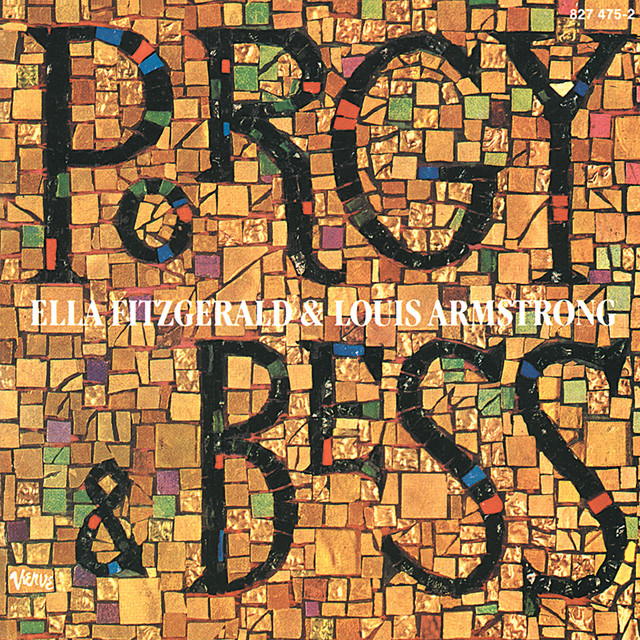
Written by George Gershwin for the opera 'Porgy and Bess' in 1934, 'Summertime' features lyrics by DuBose Heyward that capture a vision of warmth and hope. The song has since transcended its origins, becoming a jazz standard covered by countless artists, including Ella Fitzgerald and Louis Armstrong. Fitzgerald's 1957 rendition on the album 'Ella and Louis' is particularly iconic, blending her rich vocal tones with Armstrong's masterful trumpet, creating an ethereal soundscape.
Lyrics That Speak to Struggle
As the Civil Rights Movement gained momentum in the 1960s, Fitzgerald's version of 'Summertime' took on a new significance. The lyrics, which evoke images of a lazy summer and the promise of a better tomorrow, served as a stark contrast to the harsh realities faced by African Americans during this turbulent period. Lines like
provided a soothing reassurance amid chaos, embodying a message of hope and resilience."Hush, little baby, don’t you cry"
Symbol of Resistance
Fitzgerald's ethereal delivery transformed 'Summertime' into a symbol of resistance. During civil rights rallies and gatherings, the song became a common thread, uniting people in shared struggle. The gentle lullaby quality of the music juxtaposed the harsh realities of protests and the fight for equality. It was a reminder that despite the struggles, there remained a promise of brighter days ahead.
The Influence of Jazz
Jazz, in its very essence, has always been a genre that speaks to freedom and self-expression. Fitzgerald's interpretation of 'Summertime' infused the song with a resilience that echoed the calls for civil rights. The improvisational nature of jazz allowed artists to infuse their own experiences into the music, making it a powerful vehicle for social commentary. Fitzgerald's ability to transcend her own experiences and channel collective pain and hope into her performance elevated 'Summertime' from a mere song to an anthem of its time.
Modern Interpretations
Today, 'Summertime' continues to be reinterpreted by new generations of artists. From Billie Holiday to contemporary musicians, the song has evolved but remains rooted in its original themes of hope and resilience. Each rendition adds a new layer of meaning, often reflecting the ongoing struggles for social justice.
Conclusion: A Lasting Legacy
The legacy of 'Summertime' is not just in its melody, but in its ability to evoke a sense of unity and strength. As we reflect on its role during the Civil Rights Movement, it is clear that Fitzgerald's rendition has transcended the confines of a simple jazz standard. It stands as a powerful reminder of the resilience found in the struggle for justice, a beacon of hope for generations to come.