The Birth of a Classic
'Cheek to Cheek' is not just a song; it's a celebration of love and connection, crafted by the legendary Irving Berlin in the mid-1930s. Written specifically for Fred Astaire, the track debuted in the 1935 musical 'Top Hat,' which starred Astaire alongside Ginger Rogers. The film is remembered for its dazzling choreography and romantic narrative, but it's Berlin's lyrics that capture the essence of intimacy.
Romantic Inspirations
The song's allure lies in its imagery, evoking a sense of closeness that resonates with anyone who has experienced the thrill of dance and romance. Lines like
encapsulate that euphoric feeling of being swept off your feet. Berlin's genius was in his ability to convey complex emotions through simple yet evocative language."Heaven, I'm in heaven, and my heart beats so that I can hardly speak"
The Astaire Effect
Astaire's performance of 'Cheek to Cheek' in 'Top Hat' is a pivotal moment in the history of musical cinema. His elegant dance moves with Rogers create a visual feast that complements the song’s romantic subtext. The chemistry between the two stars not only brought the song to life but also set a benchmark for future musical collaborations.
Fitzgerald's Interpretation
When Ella Fitzgerald recorded 'Cheek to Cheek' for her 1958 album 'Ella Fitzgerald Sings the Irving Berlin Song Book,' she brought a new dimension to the classic. Fitzgerald's jazz-infused interpretation added depth to the already rich lyrics. Her smooth, sultry voice transformed the song into a timeless piece that transcends generations.
A Love Letter to Dance
Berlin's lyrics speak directly to the joy of dancing with a partner, a theme that is universal and timeless. Fitzgerald's rendition highlights this beautifully, making the listener feel as if they, too, are part of a grand dance. The phrase
serves as both an invitation and a reflection of the intimacy that dance can foster."And when we’re out together dancing, cheek to cheek"
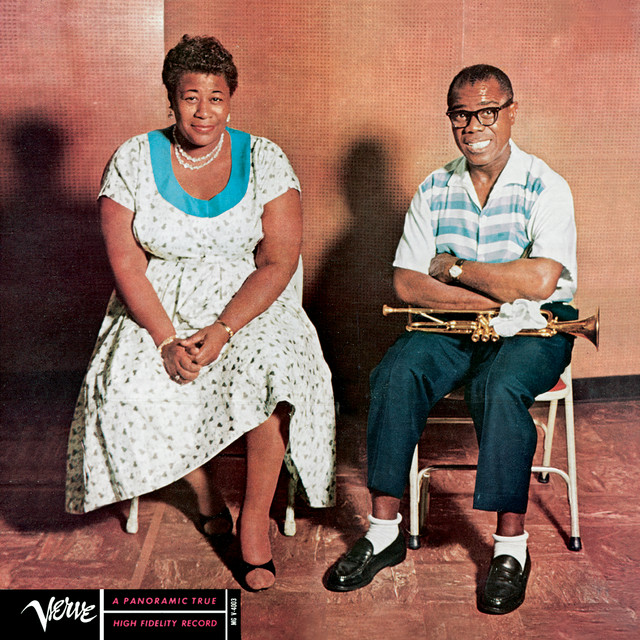
Did you know? 'Cheek to Cheek' was so beloved that it has been covered by numerous artists, including Frank Sinatra and Louis Armstrong.
Legacy of 'Cheek to Cheek'
The song’s legacy is evident in its continued relevance. It has become a standard in jazz repertoire and remains a favorite at weddings and romantic gatherings. Fitzgerald's version, with its lush orchestration and heartfelt delivery, has ensured that 'Cheek to Cheek' is not only a classic of the Great American Songbook but also a lasting symbol of love and joy.
Conclusion
'Cheek to Cheek' is more than just a song; it’s a romantic backstory that has evolved over decades. From its roots in 1930s Hollywood to Fitzgerald’s timeless 1958 rendition, it captures the essence of love, dance, and the joy of being together.