The Birth of a Choreographic Phenomenon
When Irving Berlin penned "Cheek to Cheek" in the mid-1930s for the iconic musical Top Hat, he didn’t just write a song; he set the stage for a revolution in dance. Originally performed by Fred Astaire and Ginger Rogers, this song encapsulated a romance that transcended the mere act of dancing. It became a blueprint for a new style of choreography that would resonate through the smoky, dimly lit jazz clubs of the era.
Astaire's Influence on Movement
Fred Astaire’s interpretation of "Cheek to Cheek" was about more than just steps; it was about creating a dialogue between partners. His seamless blend of elegance and improvisation laid the groundwork for jazz choreography that demanded both technical skill and emotional connection. The way he glided across the floor, twirling Ginger Rogers with effortless grace, embodied the very essence of jazz: spontaneity and freedom.
"Heaven, I'm in heaven..."
These lyrics echo a sense of weightlessness, perfectly complementing the choreography that became synonymous with the song. The dancers were not just moving to the music; they were telling a story of love and joy through their bodies, which was a radical departure from the more structured dance forms that preceded it.
Fitzgerald's Jazz Interpretation
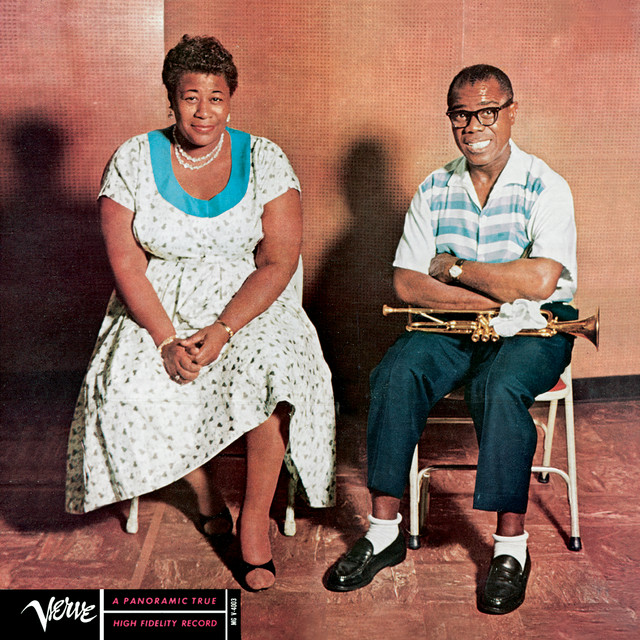
Fast forward to 1958, when Ella Fitzgerald breathed new life into the classic with her album Ella Fitzgerald Sings the Irving Berlin Song Book. Fitzgerald’s rendition added an improvisational flair that showcased her vocal agility and jazz sensibilities. While the choreography of the original may have been rooted in Broadway, Fitzgerald’s version opened doors for jazz clubs to embrace more fluid, expressive forms of dance.
Jazz Clubs: A New Stage for Expression
In the jazz clubs of the late '50s, where Fitzgerald’s voice reverberated, the choreography inspired by "Cheek to Cheek" began to evolve. Dancers took cues from the fluidity of Fitzgerald's vocal delivery, embracing a style that was less about precision and more about expression. The dance floors became a canvas for improvisation, where the music guided the movements rather than rigid steps.
The song was originally written for the 1935 film Top Hat, starring Fred Astaire and Ginger Rogers, marking a pivotal moment in film choreography.
The Impact on Future Generations
The legacy of "Cheek to Cheek" extends well beyond its initial release. It paved the way for a generation of dancers to explore the intersection of jazz and movement. The choreography inspired by the song encouraged dancers to embody the music, transforming jazz clubs into vibrant spaces of artistic expression.
Even today, the influence of "Cheek to Cheek" can be seen in contemporary dance. Its emphasis on partnership and improvisation informs styles ranging from swing to modern jazz. Choreographers continue to draw from the essence of this classic, illustrating how timeless themes of love and joy can inspire movement that feels both fresh and familiar.
A Lasting Legacy
In a world that often prioritizes technical perfection, "Cheek to Cheek" reminds us that the heart of dance lies in connection. As Fitzgerald’s voice soars, it invites not just dance, but a shared experience that transcends generations. The choreography rooted in this classic is a testament to the power of music and movement to express the inexpressible.