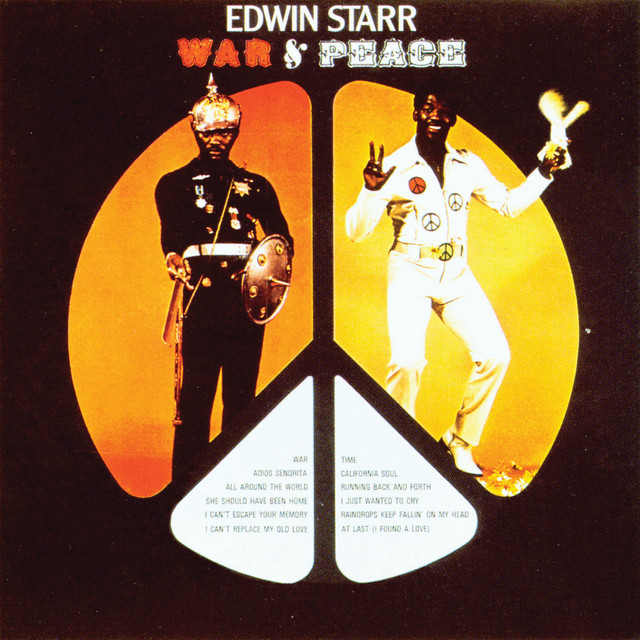
The Birth of a Protest Anthem
In 1970, Edwin Starr's rendition of "War" became more than just a single; it transformed into a rallying cry for the anti-Vietnam War movement. Originally written by Norman Whitfield and Barrett Strong for The Temptations, the song was re-recorded with Starr's powerful vocals after requests to release it as a single came pouring in. The Motown label chose to withhold the Temptations' version, allowing Starr to make the song his own.
A Message That Couldn't Be Ignored
Starr's "War" is blunt in its messaging. The opening lines set the tone, presenting a stark challenge to the glorification of conflict. The phrase, "War, huh, yeah, what is it good for? Absolutely nothing!" echoes not just as a catchy chorus but as a stark indictment of war itself. This sentiment resonated with a generation disillusioned by the United States' involvement in Vietnam.
"War, huh, yeah, what is it good for? Absolutely nothing!"
Context of the Era
The late 1960s and early 1970s were defined by civil unrest and widespread protest against the Vietnam War. College campuses erupted with demonstrations, and music became a vital tool for expressing dissent. Edwin Starr's "War" emerged during this period, allowing listeners to channel their frustrations into a rhythmic anthem.
The Impact on Music and Culture
Starr's rendition didn't just influence the protests; it also left an indelible mark on the music industry. The song's success paved the way for other politically charged tracks. Artists like Bob Dylan and Joan Baez had already laid the groundwork, but "War" solidified the role of soul and funk in political discourse.
Edwin Starr's version of "War" reached No. 1 on the Billboard Hot 100 chart, solidifying its place in the protest music canon.
Lasting Legacy
Even decades later, "War" remains relevant. Its straightforward lyrics continue to inspire new generations facing modern conflicts. The song’s universal message about the futility of war transcends its original context, making it a staple in discussions around military engagement and peace advocacy.
A Cultural Touchstone
Starr's "War" is a reminder of music's power to influence social movements. The urgency of its call for peace struck a chord in the hearts of many, illustrating how art can reflect societal struggles. Edwin Starr, born Charles Edwin Hatcher, may have passed away in 2003, but his legacy endures through this iconic track.
"War, it ain't nothing but a heartbreaker!"
Conclusion
As we reflect on the Vietnam War and the protests that accompanied it, Edwin Starr's "War" serves as a critical reminder of the role music plays in activism. The song remains a cultural touchstone, urging us to remember that the fight for peace is ongoing.