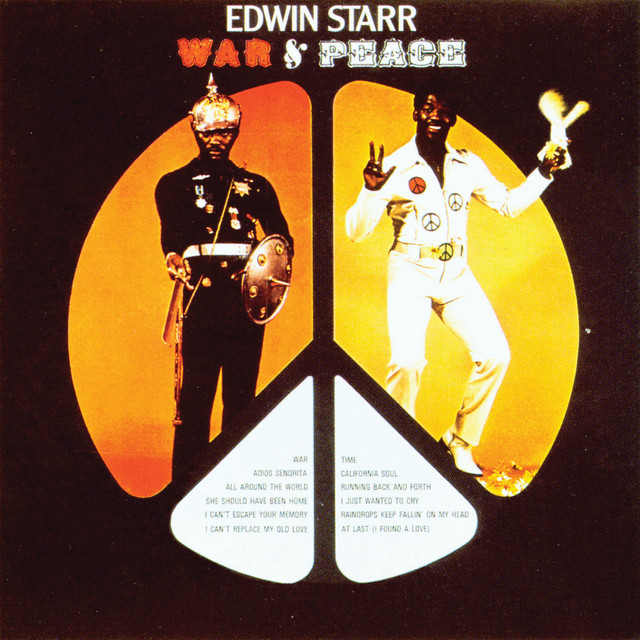
Edwin Starr: The Man Behind the Message
Edwin Starr, born Charles Edwin Hatcher in 1942, was more than just a voice on the charts; he was a man shaped by the tumultuous times he lived in. Growing up in the racially charged environment of Nashville, Tennessee, Starr witnessed firsthand the struggles of African Americans during the Civil Rights Movement. This backdrop of social injustice and unrest would later inform his most iconic hit, "War," which became a rallying cry against the Vietnam War.
The Birth of 'War'
Originally recorded by The Temptations in 1970, the song was re-recorded by Starr at the behest of Motown's Norman Whitfield, who saw in Starr a voice capable of delivering the song's urgent message with raw power. Released as a single in 1970, it quickly climbed the charts, reaching number one on the Billboard Hot 100. Its success was not merely a product of catchy melodies; it was grounded in the real experiences of a generation grappling with the horrors of war.
Personal Stakes in the Anti-War Movement
Starr's own experiences with racism and the draft shaped his perspective on war. He was acutely aware that the burden of conflict often fell disproportionately on marginalized communities. This sense of injustice is palpable in his performance of "War," where he passionately proclaims,
The repeated refrain is not just a catchy hook; it’s an indictment of the futility of war, echoing the sentiments of those who felt unheard."War, huh, yeah / What is it good for? Absolutely nothing!"
Context Matters: The Vietnam War
The Vietnam War was a backdrop that deeply influenced American culture in the late 1960s and early 1970s. With thousands of young Americans being drafted and sent to fight in a conflict that many viewed as unjust, the public's disillusionment grew. Starr's "War" tapped into this collective frustration, becoming more than just a song but an anthem for peace. Its release coincided with widespread protests, making it a staple of anti-war demonstrations.
A Call to Action
What sets "War" apart from other protest songs is its unapologetic call to action. Starr's delivery is fierce and uncompromising, capturing the anger and urgency felt by many. The line
speaks to the defiance of a generation unwilling to sacrifice their future for a war they did not believe in. It’s a powerful reminder that music can serve as a catalyst for social change."You ask me to give up my soul / And I say no!"
Legacy of 'War'
Starr's impact went beyond the charts. His version of "War" became synonymous with the anti-war movement, influencing countless artists and activists. The song remains relevant today, a timeless reminder of the human cost of conflict. Even as the music industry evolved, Starr’s bold stance against war resonated, echoing through the decades.
Edwin Starr's "War" was not only a commercial success but also a cultural phenomenon, becoming an enduring symbol of resistance against unjust wars.
Conclusion: A Personal Anthem
In "War," Edwin Starr distilled his personal experiences and the collective frustrations of a generation into a song that transcended its time. The raw emotion and political urgency behind the lyrics continue to inspire those who stand against war today. Starr's life, marked by struggles and resilience, gave weight to his message, proving that art can indeed reflect the times we live in.