Unearthing the Dream
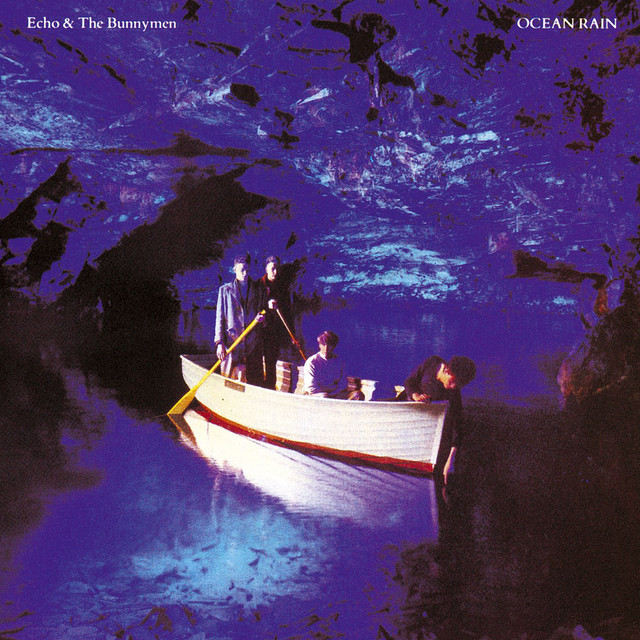
Released on January 20, 1984, as the lead single from their fourth studio album, "Ocean Rain," Echo & the Bunnymen's "The Killing Moon" remains one of the band’s most hauntingly beautiful tracks. The song's ethereal quality is complemented by its lyrical exploration of fate, love, and mortality. Yet, the imagery it conjures stems from unexpected sources.
Literary Inspirations
Ian McCulloch, the band’s enigmatic frontman, has often pointed to literary influences as a driving force behind the song’s vivid imagery. One of the most significant inspirations was the work of the existentialist philosopher and playwright Jean-Paul Sartre. McCulloch has noted that the song's themes of predestination and existential angst echo Sartre’s ideas about the absurdity of human existence.
"Under blue moon, I saw you / So soon you'll take me / Up in your arms, too late to beg you"
In these lines, McCulloch captures a moment of surrender to fate, a recurring theme in Sartre's philosophy. The juxtaposition of beauty and despair within these lyrics reflects the tension between desire and the inevitable outcomes of one's choices.
Film Influence
Another layer of inspiration can be traced to cinema. The 1983 film "The Hunger," directed by Tony Scott, features a blend of gothic romance and existential dread that mirrors the atmosphere of "The Killing Moon." The film's exploration of immortality and the tragic nature of love parallels the song’s lyrical narrative, enhancing its dreamlike quality.
Incorporating elements of the supernatural, McCulloch’s lyrics paint a picture that feels otherworldly. The haunting refrain captures the essence of a foreboding yet alluring fate, reminiscent of the film’s own visual storytelling.
Musical Composition
The lush instrumentation of "The Killing Moon" plays a significant role in its ethereal imagery. Produced by the band alongside the legendary Hugh Jones, the track features sweeping strings and a driving bassline that elevate the narrative. This musical backdrop creates a soundscape as vivid as the lyrics themselves, where every note feels like a brushstroke on a vast canvas.
Furthermore, the song’s tempo and arrangement lend it a sense of inevitability. The gradual build-up mirrors the tension in the lyrics, leading listeners through a journey of emotional highs and lows, making it a quintessential piece of the post-punk genre.
Legacy and Reflection
Nearly four decades later, "The Killing Moon" continues to captivate audiences, appearing on the compilation album "Killing Moon: The Best of Echo & the Bunnymen" released in 2007. Its enduring relevance is a testament to McCulloch's ability to weave complex themes into a single narrative thread.
The song’s dreamlike imagery resonates with listeners because it taps into universal emotions—fear of the unknown, the beauty of fleeting moments, and the acceptance of fate. It is this ability to blend the surreal with the tangible that makes "The Killing Moon" a timeless classic.
Interesting fact: "The Killing Moon" has been covered by various artists, including the band Nouvelle Vague, showcasing its lasting influence across genres.
The Final Word
Ultimately, "The Killing Moon" stands as a remarkable fusion of literary and cinematic influences, wrapped in an immersive soundscape. Echo & the Bunnymen's ability to channel such depth into a pop song is a testament to their artistry, proving that even the most dreamlike imagery can have real, grounded roots.