The Celestial Influence
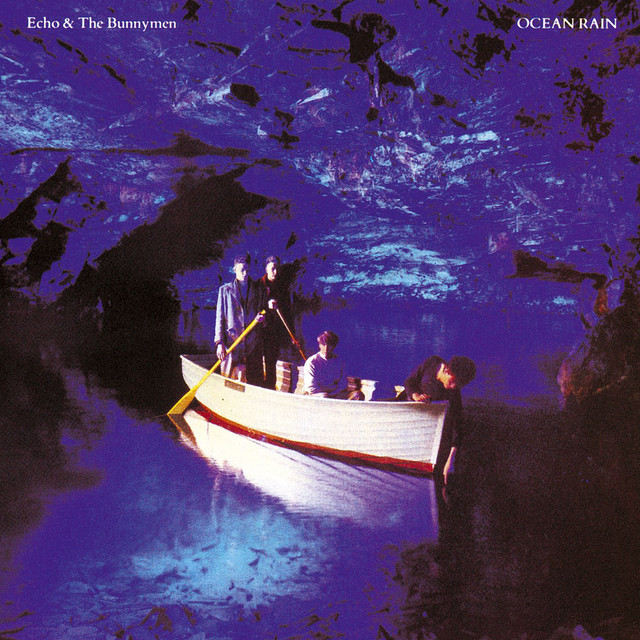
Released on January 20, 1984, as the lead single from their fourth studio album, Ocean Rain, Echo & the Bunnymen's "The Killing Moon" is a masterclass in atmospheric rock. The band, helmed by frontman Ian McCulloch, weaves together themes of fate, destiny, and the influence of celestial bodies, particularly through astrological and lunar symbolism.
Lunar Imagery
The very title, "The Killing Moon," evokes a sense of ominous foreboding, tapping into the mystical qualities often associated with the moon in various cultures. The moon has long been a symbol of intuition and the subconscious, and McCulloch’s lyrics play into this mystique. The line,
suggests a journey guided by the moon's influence, underscoring the idea of fate leading the way."Underneath the blue moon, you’ll see me go, you’ll see me go"
Astrology and Predestination
Astrology often speaks to the idea that celestial events govern human actions and experiences. In "The Killing Moon," McCulloch evokes this notion with a chilling assertion of predestination. The lyric
implies an inescapable force at play, one that resonates with the astrological belief in the stars' power to shape our lives."Fate up against your will, through the thick and thin"
Mythical and Cultural Resonance
The song's dark, ethereal sound, produced by the band alongside David Bates, complements these themes perfectly. The orchestral elements create a haunting backdrop that feels almost otherworldly, enhancing the connection to astrological mythology. In many cultures, the moon is seen as a harbinger of change and transformation, which mirrors the existential themes prevalent in the song.
The Role of Fate
McCulloch's lyrics delve into existential questions, probing the interplay between choice and destiny. The repeated refrain of the song reinforces the inevitability of fate, a concept often explored through astrological lenses. The line,
hints at an obsession with this fate, almost as if the narrator is resigned to their cosmic role."You’ll be mine, you’ll be mine"
Contextual Background
"The Killing Moon" was not just a standout single; it epitomized the band's artistic evolution during the '80s. The lush instrumentation and introspective lyrics set a tone that resonated with listeners seeking deeper meaning. The song later featured in various films and compilations, including the 2007 collection Killing Moon: The Best of Echo & the Bunnymen, further solidifying its status in pop culture.
Conclusion: A Cosmic Legacy
Even decades after its release, "The Killing Moon" continues to captivate with its blend of astrology, fate, and lunar symbolism. McCulloch’s introspective lyrics serve as a reminder of the unseen forces that guide our lives, making it a timeless piece of art that encourages listeners to ponder their own journeys through the cosmos.
Fun fact: The song was inspired by a dream McCulloch had about being pursued by a giant moon.