The Birth of a Cultural Icon
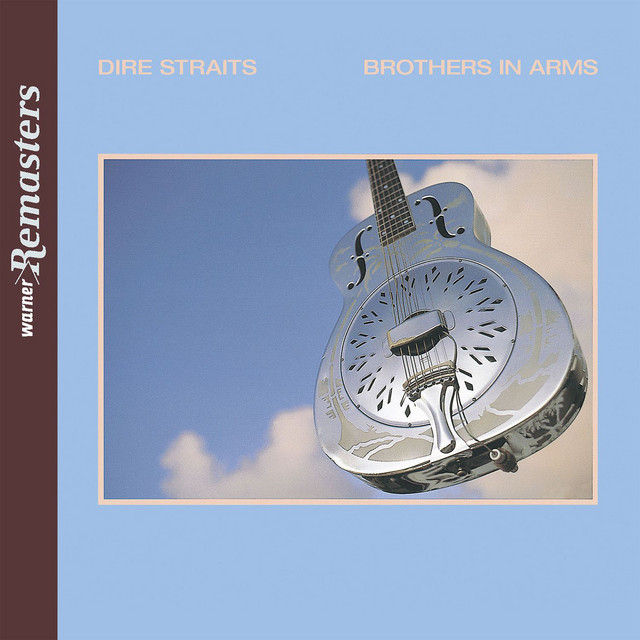
When Dire Straits released "Money for Nothing" in 1985 as part of their album Brothers in Arms, it was more than just a hit single; it was a moment of cultural commentary that resonated with the burgeoning MTV generation. The song, powered by its iconic guitar riff and a blend of rock and new wave, perfectly captured the disillusionment and envy towards rock stardom that many felt while watching their idols on television.
Produced by Neil Dorfsman, the track famously features a gritty vocal delivery by Mark Knopfler, who paints a picture of working-class resentment towards the perceived ease of rock stars' lives. The opening lines, with Knopfler's distinctive drawl, set the tone for the critique of the music industry that follows.
Lyrics That Sparked Conversations
The lyrics reflect the mindset of a generation that was witnessing the glamorization of music through the lens of MTV. In a world where music videos were king, Knopfler’s portrayal of a “guy in a factory” watching music videos and envying the musicians' lifestyles struck a nerve.
This line encapsulates the envy and bewilderment felt by many who were not part of that glamorous world."Look at them yo-yos, that's the way you do it. You play the guitar on the MTV."
Moreover, the song’s catchy chorus became an anthem for those who felt sidelined by the music industry, highlighting a stark contrast between the hard work of everyday people and the seemingly effortless success of rock stars. In that sense, it cleverly critiqued the commercialization of music while simultaneously becoming a commercial juggernaut itself.
Impact on the MTV Generation
For the MTV generation, "Money for Nothing" was a reflection of their reality. As young viewers became more entrenched in the world of music videos, they began to equate success with image rather than talent. The song's production and its accompanying video, which depicted animated characters moving through a digital landscape, were groundbreaking at the time. It was one of the first videos to use computer animation, further solidifying its place in the MTV canon.
The song’s impact was profound, as it sparked discussions around authenticity in music. The irony was not lost on listeners; as much as the song critiqued the music industry, it also became a staple of the very system it critiqued.
This line underscores the materialistic desires that often overshadowed artistic integrity in the 1980s."We gotta install microwave ovens, custom kitchen deliveries."
Did you know? "Money for Nothing" was one of the first videos to use computer-generated imagery (CGI), which was groundbreaking for the time.
A Lasting Legacy
As the years rolled on, "Money for Nothing" transcended its original context, becoming an anthem for various movements. Its themes of envy, materialism, and the disillusionment with fame struck chords in later generations, making it relevant beyond the 1980s. The song's legacy has been complicated by its use of controversial language and themes, prompting discussions on cultural sensitivity and the evolution of societal norms.
Critics have pointed out that while the song offers a sharp critique, it inadvertently glorifies the very lifestyle it critiques. This duality reflects a broader tension within the music industry, where critique and celebration often coexist in a complicated relationship.
Conclusion: An Unlikely Anthem
Ultimately, "Money for Nothing" remains a defining track of the MTV generation, not just for its catchy riffs and memorable lyrics, but for its cultural commentary on fame and the music industry. It’s a song that invites listeners to reflect on what it means to be a star in a world where the lines between reality and fiction blur.
In a time where social media now mirrors the MTV ethos, the song's critique of the superficiality of fame feels more relevant than ever. As we continue to navigate the complexities of fame and success in the digital age, Dire Straits’ classic serves as a poignant reminder of the age-old tension between hard work and the allure of effortless fame.