Rock Star Satire or Cultural Insensitivity?
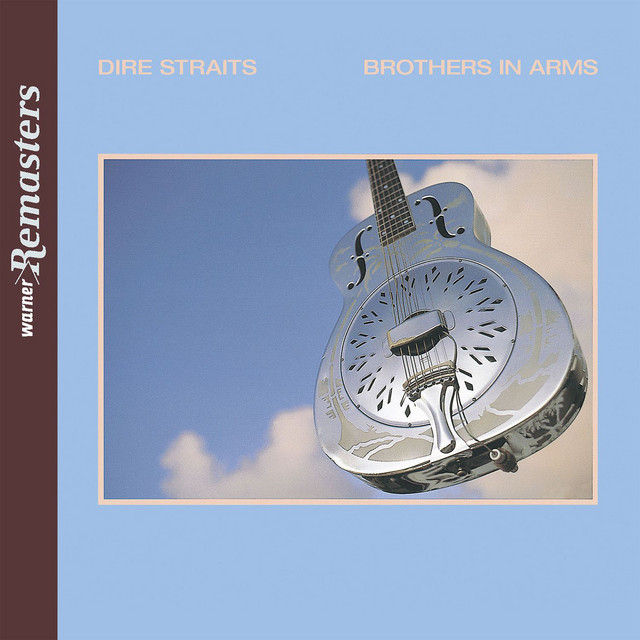
When Dire Straits released "Money for Nothing" in 1985 as part of their fifth studio album, Brothers in Arms, they delivered a track that would ignite debate for decades. The song's catchy riff and memorable chorus masked a biting critique of the music industry and a raw reflection of the working-class perspective on rock stardom.
The lyrics narrate the thoughts of blue-collar workers watching rock stars on TV, expressing envy and disdain. Lines like
paint a vivid picture of laborers grappling with the disparity between their lives and the extravagant lifestyles of rock musicians. This dichotomy is not just a commentary; it’s a window into the cultural clash of the mid-80s."We gotta install microwave ovens / Custom kitchen deliveries"
A Portrait of Privilege
However, the song's origins are steeped in controversy, particularly regarding the use of derogatory language. The phrase “faggots” appears in the lyrics, which caused an uproar upon its release and continues to taint discussions of the song today. Mark Knopfler, the band's frontman and principal songwriter, has stated that the lyrics were intended to reflect the crude language of the characters being depicted, not to promote hate or discrimination.
This intention complicates the narrative. While Knopfler aimed to offer a realistic portrayal of the attitudes of some working-class men, the lyrics also risk reinforcing negative stereotypes. The line
serves as an example of how the song walks a tightrope between satire and insensitivity."Look at those cavemen go / They’re gonna make it to the USA"
Production and Musical Impact
Produced by Neil Dorfsman and Dire Straits, the song's sound is unmistakable. The iconic guitar riff, paired with synthesizer textures, paved the way for a new sound in rock music. It was a significant departure from the band’s earlier work and showcased a blend of rock and new wave influences that defined the era.
Upon its release, "Money for Nothing" became an instant hit, reaching number one on the Billboard Hot 100 and earning the band their first Grammy Award for Best Hard Rock Performance. The song's success was amplified by its music video, which was one of the first to feature computer-generated imagery, solidifying its place in pop culture.
Interesting fact: "Money for Nothing" was one of the first videos played on MTV Europe, showcasing its significance in music video history.
Legacy and Reflection
In retrospect, the controversy surrounding "Money for Nothing" speaks volumes about the evolution of societal attitudes toward language and representation in music. While some listeners appreciate the song for its bold critique of rock stardom, others are uncomfortable with its language and implications. The ongoing debate illustrates how art can reflect and challenge the zeitgeist, but also how it can become a flashpoint for broader discussions about culture and language.
Ultimately, "Money for Nothing" remains a compelling artifact of the 1980s, capturing the tension between aspiration and reality in the music world. As we revisit its lyrics, we are reminded of the delicate balance artists must maintain when addressing sensitive topics. What was once seen as a scathing critique may now be viewed through a different lens, highlighting our evolving understanding of representation in art.