The End of an Era
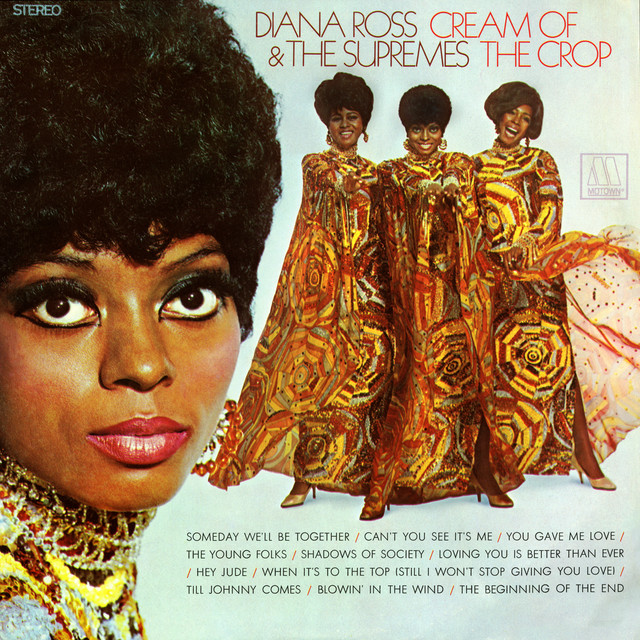
Released in 1969, "Someday We'll Be Together" marked a bittersweet closing chapter for The Supremes, as Diana Ross bid farewell to the group that had catapulted her to stardom. Written by Johnny Bristol, Jackey Beavers, and Harvey Fuqua, this song became the final number one hit for the trio, and it was a significant transition point for Ross.
With its lush orchestration and heartfelt lyrics, the single encapsulated the longing and nostalgia of a love that feels just out of reach. The line,
underscores the deep emotional resonance that has kept this track alive in the hearts of fans. Yet, it also serves as a metaphorical farewell to the past for Ross, who was now stepping into her solo career."Someday we'll be together, I know, I know, I know…"
The Weight of Legacy
As Ross embarked on her solo journey, the shadow of The Supremes loomed large. The success of "Someday We'll Be Together" left fans craving more of that sound, creating a duality in her career. Ross's first solo album, self-titled and released in 1970, aimed to carve out a new identity. It was a departure from the Motown formula that characterized her group work.
However, the comparisons were inevitable. Where The Supremes thrived on the blend of voices, Ross's solo work often highlighted her distinctive vocal prowess. She was now the sole star, but the echoes of her former group were inescapable. The yearning in the lyrics of her final Supremes single seemed to haunt her new material, as if she were still searching for a sense of belonging.
Charting a New Course
Despite the weight of her past, Ross's solo career took off with hits like "Ain't No Mountain High Enough" and "Love Hangover." These songs showcased her versatility and ability to transcend the girl-group image. Yet, the yearning expressed in "Someday We'll Be Together" remained a persistent theme in her music, creating a bittersweet undertone in her discography.
Even as she achieved great success, the longing expressed in tracks like "Theme from Mahogany (Do You Know Where You're Going To)" and "Missing You" can be traced back to that final Supremes hit. The emotional depth of her performances often echoed the sentiment of that farewell: a search for connection, a distance that feels insurmountable.
Defining a Solo Identity
Ross's struggle to define herself outside of The Supremes is evident in her discography. While she achieved significant commercial success, the question of whether she could escape the legacy of her past lingered. In many ways, Ross's solo career is a reflection of the complexities of fame and identity.
Her later work, including albums like "Diana" (1980), continued to grapple with these themes. Tracks from that era, while successful, often felt like echoes of her earlier work. The longing for reconnection, the bittersweet nature of her past, informed her artistic choices.
A Lasting Impact
What remains undeniable is the cultural impact of both Diana Ross and The Supremes. "Someday We'll Be Together" is a testament to the enduring power of their music. It was not just the final bow of a beloved group but also a harbinger of Ross's complex relationship with her past and her attempts to forge a new path.
The emotional weight of that farewell continues to resonate with fans. Each performance, each note, carries with it the memory of a group that defined an era and a solo artist striving to find her place in a new landscape.
Fun Fact: "Someday We'll Be Together" was the last of twelve number-one hits for The Supremes on the Billboard Hot 100.