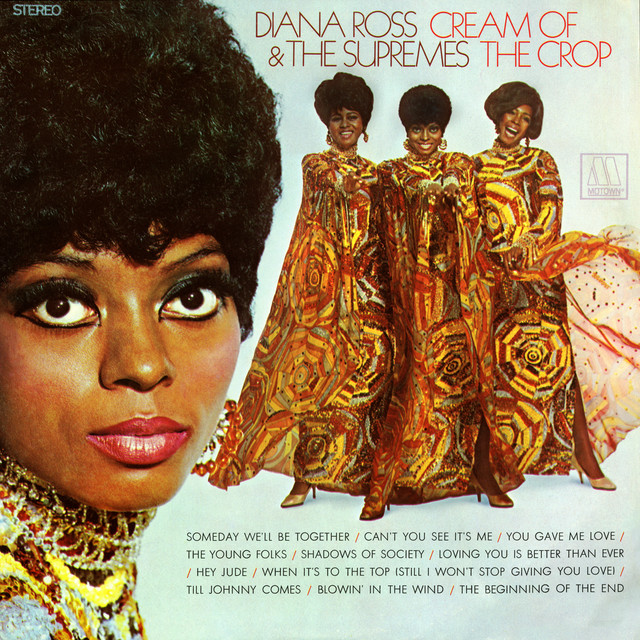
Closing the Chapter
Released in 1969, "Someday We'll Be Together" marked the final single by Diana Ross & The Supremes, a group that had redefined pop music and soul. Written by Johnny Bristol, Jackey Beavers, and Harvey Fuqua, this song not only secured the group’s twelfth number-one hit on the Billboard Hot 100, but it also served as a bittersweet farewell. The song encapsulated the emotional weight of Ross's departure, as she would soon embark on a solo career that would change the music landscape.
A New Era for Motown
In its essence, "Someday We'll Be Together" is a prime example of the Motown sound that dominated the charts in the 1960s. The lush orchestration, combined with Ross's expressive delivery, created a sonic signature that was instantly recognizable. Producer Johnny Bristol brought a sophisticated touch, layering strings and subtle rhythms to elevate the song’s emotional core.
"Someday we'll be together, oh, oh, oh, oh, yeah!"
This line resonates as a promise and a longing, perfectly encapsulating the nostalgia that permeates the track. The arrangement complements Ross's soaring vocals, making it a quintessential Motown ballad that balances soul and pop seamlessly.
The Legacy of the Last Supremes Single
When examining the impact of "Someday We'll Be Together," it’s vital to acknowledge that this was not just another single; it was a cultural moment. The Supremes had been trailblazers for African American artists in mainstream music, and this song was both a celebration of their journey and an acknowledgment of a changing musical landscape. With the arrival of the 1970s, the Motown sound would shift, paving the way for new genres and artists.
Interesting fact: The song was originally written for a different artist but was ultimately recorded by The Supremes as a farewell to their iconic lead singer.
Chart Dominance and Commercial Success
Emotional Resonance and Cultural Significance
The emotional weight of the song cannot be overstated. Lyrics that speak to love and longing reflect a universal experience, allowing listeners to connect deeply with the track. As Ross sings about a future reunion, it evokes a sense of hope and nostalgia that transcends the typical pop ballad.
"When I’m all alone, I remember you..."
This sentiment illustrates the deep connection fans felt with the Supremes, particularly as they faced the end of an era. The song's release was more than a commercial endeavor; it was a farewell to a beloved group that had changed the face of music.
A Lasting Influence
Years later, the influence of "Someday We'll Be Together" can still be felt. It has been covered by numerous artists and remains a staple in the Motown catalog. The song's ability to evoke emotion while showcasing the polished production style of Motown laid the groundwork for future artists. It paved the way for the smooth, emotional ballads that would follow in the 70s and beyond.
Conclusion: A Timeless Classic
As the final chapter in the Supremes' story, "Someday We'll Be Together" is not just a song; it’s a cultural artifact that encapsulates a pivotal moment in music history. Its heartfelt lyrics and timeless production continue to resonate with audiences today, reminding us of the power of love, loss, and the enduring legacy of Motown.