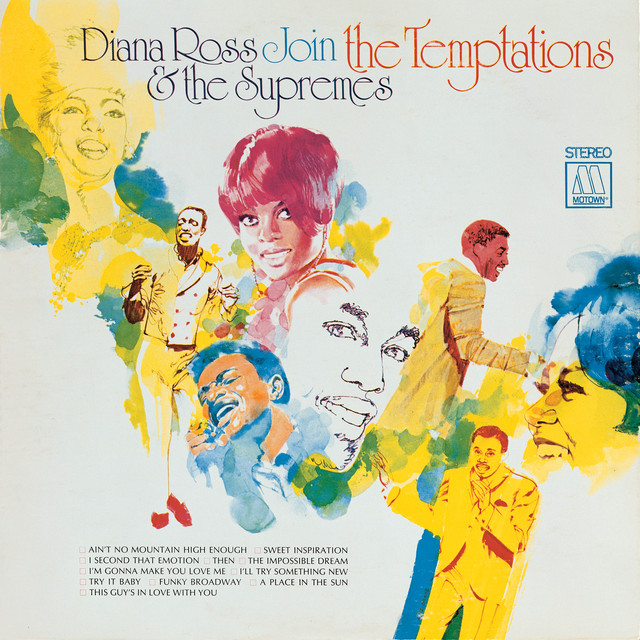
More Than a Love Song
'Ain't No Mountain High Enough' is often viewed as a quintessential love anthem, but its creation during a time of social upheaval reveals a more complex narrative. Written by Nickolas Ashford and Valerie Simpson in 1966, this song was born out of the Motown sound, which was not just about catchy hooks but also about reflecting the zeitgeist of an era.
The Context of Creation
The mid-1960s were marked by the Civil Rights Movement, a period where messages of hope and solidarity were vital. Ashford and Simpson, both deeply influenced by the socio-political climate, crafted a song that transcended romantic love, tapping into a broader sense of community and resilience. The lyrics convey an unwavering promise:
This sense of commitment mirrors the collective determination of a generation fighting for equality."If you need me, call me, no matter where you are, no matter how far."
Musical Innovation and Message
The song's production, led by the legendary Motown team, contributed to its uplifting spirit. The arrangement features an infectious blend of gospel and pop, showcasing the vocal prowess of Diana Ross and The Supremes. When they covered the song in 1970, it became a defining moment for the group, hitting number one on the Billboard Hot 100. The upbeat tempo and soaring harmonies invite listeners to feel empowered.
Historical Significance
The late 1960s and early 1970s were tumultuous, with protests against the Vietnam War and a growing awareness of racial injustices. 'Ain't No Mountain High Enough' emerged as an anthem that transcended personal love, becoming a rallying cry for those yearning for change. Ashford and Simpson’s lyrics, with their promise of support, resonated with those who felt marginalized. It was about more than romantic commitment; it was about standing together in the face of adversity.
Fun Fact: The song was initially recorded by Marvin Gaye and Tammi Terrell in 1967, but it was the Supremes' version that solidified its place in pop culture.
Cultural Impact
The song's reach extends beyond its initial release. It has been featured in films, commercials, and various cultural references, consistently reminding new generations of its powerful message. The cover by Diana Ross & The Supremes not only solidified their legacy but also reflected the ongoing struggles for civil rights and personal empowerment.
Legacy of Hope
In a contemporary context, the song’s themes of unwavering support and resilience remind us of the importance of solidarity. As social movements continue to emerge, 'Ain't No Mountain High Enough' endures as an anthem that encourages individuals to stand united. The song's infectious energy invites listeners to confront challenges, echoing the sentiments of a generation that fought for justice.