The Origins of an Anthem
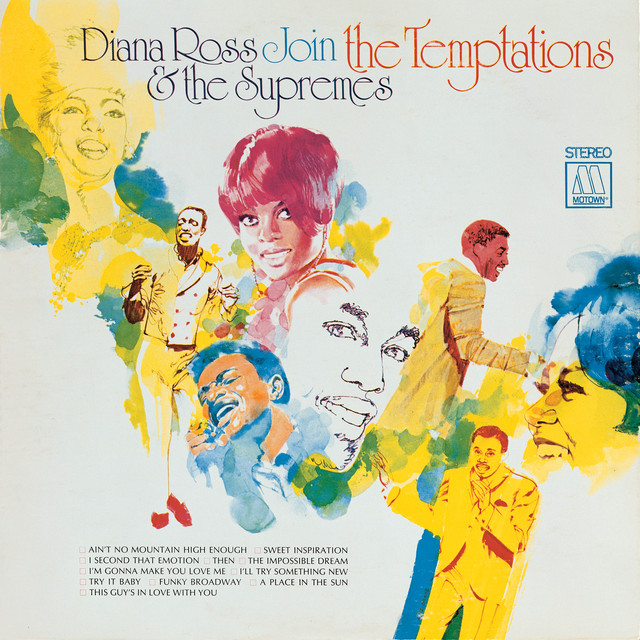
Written by Nickolas Ashford and Valerie Simpson in 1966, "Ain't No Mountain High Enough" was originally recorded by Marvin Gaye and Tammi Terrell. But it was the 1970 cover by Diana Ross that gave the song its iconic status. Released as part of her debut solo album, the track not only peaked at number one on the Billboard Hot 100 but also established a profound connection with the LGBTQ+ community.
A Message of Unconditional Support
At its core, the song is a declaration of unwavering support, encapsulated in the lines that promise to be there regardless of the obstacles. The powerful refrain reminds listeners that love transcends barriers, which is particularly resonant for those within the LGBTQ+ community who often face societal challenges. The lyric,
serves as a rallying cry, emphasizing that love knows no bounds."Ain't no mountain high enough, ain't no valley low enough, ain't no river wide enough, to keep me from getting to you"
The Cultural Shift in the 70s
During the 1970s, as the LGBTQ+ rights movement gained momentum, the song found new life as an anthem for empowerment and resilience. Its upbeat tempo and inspiring message provided a soundtrack to pride marches and community gatherings. The spirited delivery by Ross, combined with the song's infectious energy, made it a staple at celebrations of identity and acceptance.
From Dance Floors to Pride Parades
Fast forward to contemporary times, and the song continues to thrive in LGBTQ+ spaces. Its appearance in movies and TV shows—think of its inclusion in the iconic series "Pose"—has solidified its status as a cultural touchstone. The song's ability to make people dance while simultaneously delivering a message of love and solidarity is a rare quality that few tracks possess.
A Personal Connection
For many, the song is more than just a catchy tune; it's a personal anthem that reflects their journey. The lyrics resonate with anyone who has ever felt marginalized, reinforcing the idea that there is always someone willing to stand by you. As one fan put it, "When I hear those opening notes, I feel like I can conquer anything"—a sentiment echoed by countless listeners.
Legacy and Continued Relevance
The legacy of "Ain't No Mountain High Enough" extends beyond its chart success. It represents a moment in history when music became a vehicle for social change. The song's message is as relevant today as it was in the 70s, especially in a time when the fight for LGBTQ+ rights continues worldwide.
Conclusion: A Song That Overcomes
Ultimately, "Ain't No Mountain High Enough" stands as a testament to the power of music in uniting communities and uplifting spirits. It reminds us that love can conquer all, a theme that remains at the forefront of the ongoing fight for equality. As we celebrate its enduring influence, we can appreciate how a simple love song became a profound symbol of empowerment for the LGBTQ+ community.