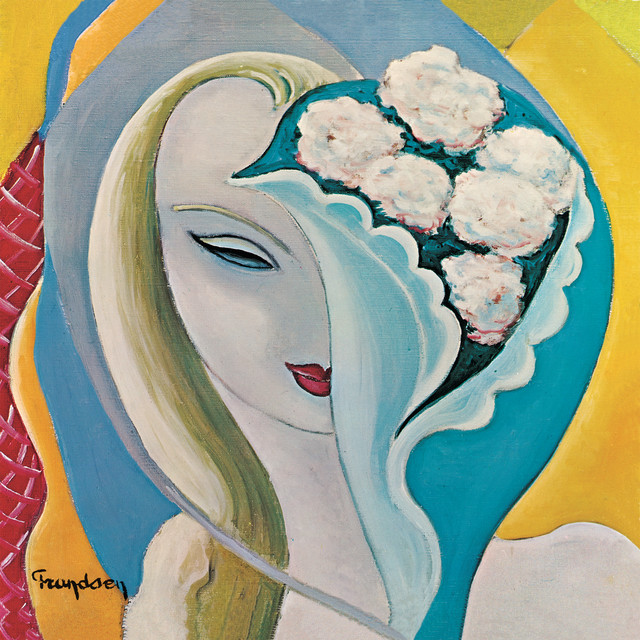
Love and Longing in a Guitar Riff
When Eric Clapton and Jim Gordon crafted the unforgettable guitar riff in "Layla," they weren't just creating a rock anthem; they were capturing the essence of unrequited love. Released in 1970 on the album Layla and Other Assorted Love Songs, this track stands as a raw testament to Clapton's emotional turmoil, stemming from his infatuation with Pattie Boyd, the wife of his friend George Harrison.
The song's genesis is steeped in a complex web of relationships, which adds layers to its already potent musicality. Clapton's yearning is palpable in every note of the iconic riff, a blend of passion and pain that sets the stage for the heart-wrenching lyrics that follow.
Gordon's Influence on the Composition
While Clapton is the face of the song, it was drummer Jim Gordon who played a pivotal role in shaping its structure. Gordon's piano coda, which punctuates the latter half of the song, adds a haunting beauty that contrasts sharply with Clapton's fiery guitar work. This duality reflects the very conflict of desire and despair that defines the song.
"You’ve got me on my knees, Layla…"
These lyrics encapsulate the desperation in Clapton's voice, yet it’s the riff that delivers the initial punch. The way it spirals upward, almost like a plea, draws listeners into Clapton's world of longing.
A Moment of Inspiration
The riff itself was born from Clapton's fascination with the blues, particularly the sounds of Robert Johnson. However, the specific inspiration behind the riff came from a more personal place. Inspired by the struggle and emotional upheaval of his love for Boyd, Clapton channeled his feelings into music that spoke to the heart.
Interestingly, Clapton later noted that the song was his way of expressing a love that could never be fully realized, making it even more poignant.
The Cultural Impact
"Layla" has since transcended its initial release, becoming a cornerstone of rock music. Its influence can be seen across generations, from its use in film and television to countless covers by artists ranging from the Allman Brothers to Eric's own later performances. The song’s ability to evoke deep emotional responses makes it a timeless classic.
The raw energy that radiates from the guitar riff is not just a technical achievement; it is a reflection of Clapton's heart laid bare. The song’s legacy is tied to the story of love, loss, and the relentless pursuit of unattainable desires.
Conclusion: More Than Just a Riff
Ultimately, the iconic riff in “Layla” serves as a perfect metaphor for Clapton's turmoil. It’s a sound that resonates with anyone who's ever felt the sting of unrequited love. The interplay between the guitar and the lyrics creates an unforgettable experience, one that continues to captivate audiences more than five decades after its release.