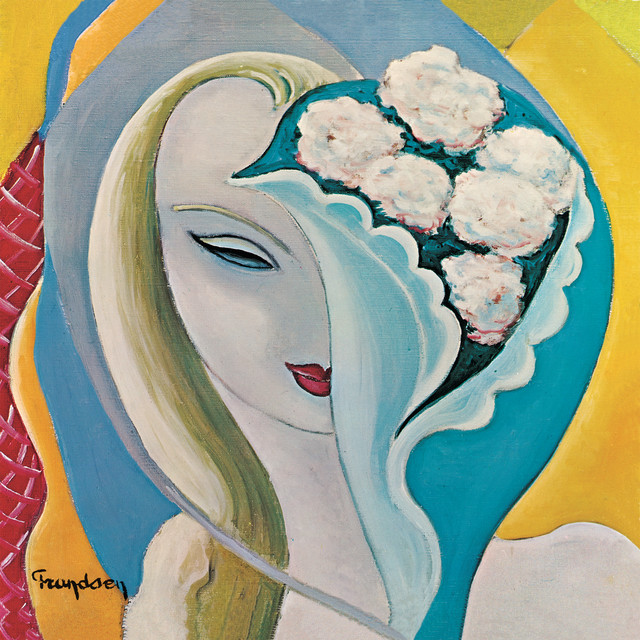
The Heart of 'Layla'
When Eric Clapton penned "Layla" alongside Jim Gordon, he wasn't just writing a love song; he was capturing the raw, throbbing ache of desire and the subsequent heartache that often follows. Released on November 9, 1970, as part of the only studio album from Derek and the Dominos, *Layla and Other Assorted Love Songs*, this track transcends traditional love ballads. It’s a rock anthem that marries the urgency of longing with the despair of unrequited love.
The Duality of Desire
The opening verses of the song lay bare this tension, where Clapton's guitar wails just as much as the lyrics express a deep yearning. The iconic riff sets a tone of desperate hope, underlined by the lyrics that echo the pain of wanting someone who is out of reach. The line,
encapsulates this moment of vulnerability, exposing the fragility of love."What'll you do when you get lonely?"
Love and Heartbreak
Clapton's infatuation with Pattie Boyd, the wife of his friend George Harrison, fuels this song’s emotional core. The duality of love and heartbreak is palpable throughout the track. The chorus resonates with the idea of love as both blissful and devastating. When he sings,
there’s a sense of surrender, a realization that love can bring one to the brink of despair."Layla, you got me on my knees,"
The Musical Shift
The second half of the song takes a surprising turn, transitioning into a piano-driven coda that evokes a feeling of resignation. It’s here that the complexity of Clapton’s emotions truly unfolds. The shift from electric fervor to a haunting melody mirrors the transition from passionate love to the acceptance of loss. It’s a sonic representation of how love can transform into heartbreak, leaving behind a bittersweet echo.
Timeless Themes
The themes of longing and loss in "Layla" can be found in numerous love songs, but few capture the essence so brutally. Clapton’s ability to portray such vulnerability and despair is a testament to his songwriting prowess. It’s a reflection on how love can entrap us, and once we’re ensnared, the release can be painful. The song’s enduring appeal lies in its ability to articulate these complex emotions that many experience but struggle to express.
Did you know? The song's iconic riff was inspired by the classical piece 'Piano Concerto in A Minor' by Rachmaninoff, showcasing Clapton's eclectic musical influences.
A Lasting Impact
"Layla" remains a cornerstone of rock music, a track that’s as much about the joy of love as it is about the sorrow that can follow. Its duality reflects a universal truth: love is as much about the joy it brings as it is about the pain of its absence. Clapton’s masterful guitar work and heartfelt lyrics come together to create a song that speaks to the heart of human experience.
Ultimately, "Layla" is not just a song about unrequited love; it’s a profound exploration of the emotional spectrum that love can invoke. It stands as a reminder that even in heartbreak, there is beauty to be found in the complexity of our feelings.