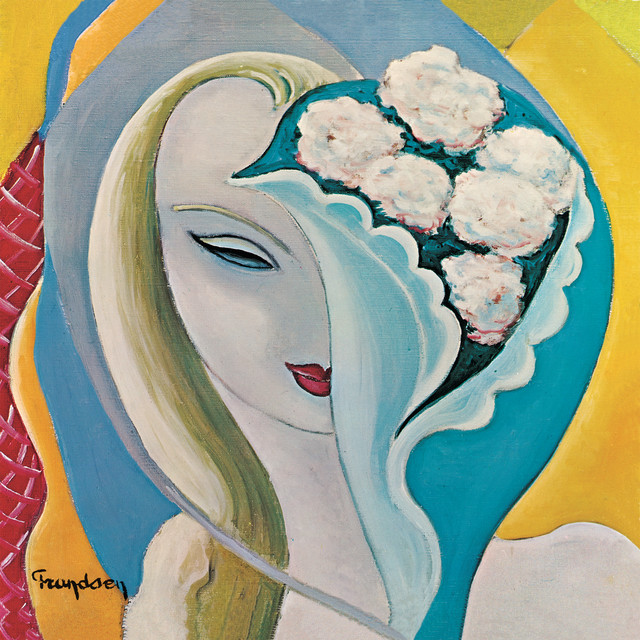
Studio Origins: A Heartfelt Confession
Released in 1970 on the iconic album Layla and Other Assorted Love Songs, "Bell Bottom Blues" stands as a testament to Eric Clapton's emotional turbulence. Co-written with Bobby Whitlock, the song captures the painful essence of unrequited love. The opening lines, steeped in longing, set the stage for an exploration of heartbreak and desire.
"And I want to know, will you ever see me?"
Here, Clapton's vulnerability is palpable, and the melancholic slide guitar perfectly complements the lyrical honesty. The studio version is characterized by its slow-burning intensity, a fusion of rock and blues that showcases Clapton's virtuosity and Whitlock's soulful harmonies.
Live Interpretations: A Transformative Experience
As Clapton took "Bell Bottom Blues" to the stage, the song evolved. Each live rendition introduced new elements, from extended guitar solos to improvisational flourishes. The essence of the song morphed into something even more raw, as Clapton's emotional delivery became increasingly visceral.
Interesting fact: Clapton often performed "Bell Bottom Blues" during his 1970s tours, each time infusing it with fresh energy and spontaneity.
In live settings, Clapton would often stretch the song's structure, allowing the band to explore different musical landscapes. This freedom transformed the song from a studio confession into a communal experience, drawing in the audience as active participants in a shared emotional journey.
Iconic Performances: A Legacy of Emotion
One standout live performance occurred during the 1991 concert at the Royal Albert Hall, where Clapton's guitar work soared to new heights. The interplay between Clapton and his bandmates created a palpable tension, making the audience feel every note. The raw emotion in his voice during the chorus struck a chord, proving that the song's message transcends its original context.
"Don't you ever, ever say goodbye."
In this moment, the plea echoed through the hall, resonating with fans who understood the depth of the song's narrative. The live versions became a testament to Clapton's artistry, showcasing not just technical skill but also an emotional connection that rooted back to the song's inception.
Influences and Legacy
The evolution of "Bell Bottom Blues" also reflects Clapton's influences, from the blues legends who came before him to the rock movements that shaped his sound. His ability to reinterpret the song in various contexts has left a lasting impact on both his audience and fellow musicians.
Today, countless artists have covered “Bell Bottom Blues,” each adding their unique spin while acknowledging Clapton’s original imprint. The song’s adaptability speaks to its universal themes of love and loss, transcending generations and genres.
Conclusion: A Timeless Journey
From its deeply personal studio recording to the emotionally charged live performances, "Bell Bottom Blues" represents more than just a song. It embodies a journey through heartache and hope, evolving with each rendition. Clapton’s ability to breathe new life into the classic ensures that the song will continue to resonate, reminding us of the power of music to articulate our innermost struggles.