The Weight of Unrequited Love
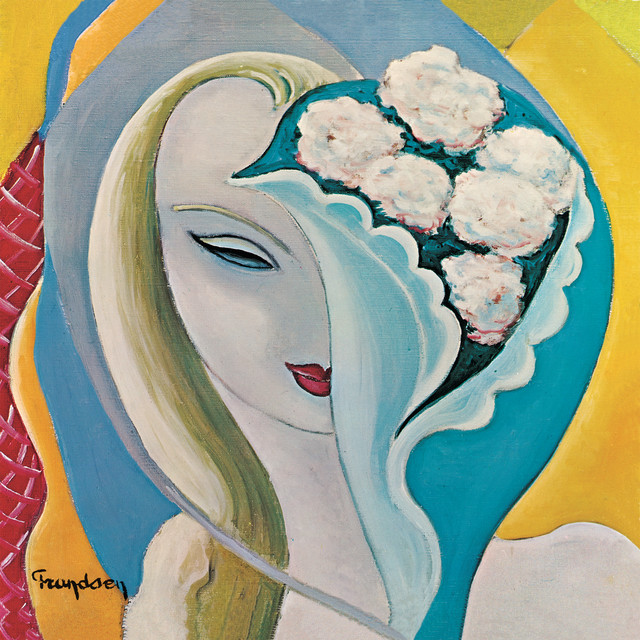
Eric Clapton's "Bell Bottom Blues," performed by Derek and the Dominos and released in 1970 on the iconic album Layla and Other Assorted Love Songs, is more than just a showcase of guitar prowess. It's a raw, emotional confession, a lamentation steeped in the bitterness of unreciprocated affection. The song's haunting melody and poignant lyrics reveal the pain of longing, crafted during a tumultuous time in Clapton's life as he yearned for Pattie Boyd, the wife of his close friend George Harrison.
The Story Behind the Song
Written by Clapton and Bobby Whitlock, "Bell Bottom Blues" encapsulates Clapton's heartache with a sincerity that cuts like a knife. The title itself evokes a sense of nostalgia and longing, conjuring images of a bygone era. It's no coincidence that the song was recorded in the early '70s, a period marked by rock's exploration of personal struggles and emotional depth.
"Do you want to see me?"
With this simple yet powerful question, Clapton lays bare his vulnerability. The line speaks volumes, capturing the essence of desperate yearning. Throughout the song, the intertwining of electric guitar riffs with soft, emotive vocals mirrors the conflict between love and heartbreak.
Musical Composition and Emotional Weight
The arrangement of "Bell Bottom Blues" is a testament to Clapton's musical genius. The guitar solo is not just an embellishment; it's an extension of the lyrics, amplifying the emotional turmoil he expresses. The interplay between Clapton and Whitlock is palpable, with Whitlock’s keyboards adding texture to the already rich sound.
As the song progresses, the intensity builds, reflecting Clapton's spiraling emotions. The chorus, pleading yet resigned, resonates with anyone who has experienced unrequited love. The line, "I don't want to lose you," is both a declaration and a lament, encapsulating the duality of hope and despair.
A Reflection of Personal Turmoil
Clapton's relationship with Boyd was fraught with complexities. He fell in love with her while she was still married to Harrison, and this tumultuous dynamic is threaded throughout "Bell Bottom Blues." The song serves as an emotional outlet, a place where Clapton could confront his feelings and the pain of his situation.
Interestingly, Clapton's infatuation with Pattie Boyd would later inspire other iconic songs, including “Layla,” showcasing the profound impact of this unrequited love.
The desperation in Clapton's voice is palpable, and it’s this authenticity that has allowed the song to endure. The themes of yearning and loss are universal, and Clapton's ability to channel his personal experiences into such relatable music is a hallmark of his artistry.
The Legacy of 'Bell Bottom Blues'
Over fifty years later, "Bell Bottom Blues" remains a staple in Clapton's repertoire and a favorite among fans. Its ability to convey the depths of unrequited love continues to resonate with listeners, demonstrating that some emotional wounds never fully heal.
The song's powerful blend of blues, rock, and heartfelt lyricism makes it a timeless piece. Clapton’s work with Derek and the Dominos during this period is often regarded as his most creative and emotionally charged, cementing his legacy as one of the greats in rock history.
In the end, “Bell Bottom Blues” is more than just a song; it’s a testament to the complexities of love and loss, delivered through Clapton's soulful guitar and aching voice. The raw honesty of its lyrics invites listeners to reflect on their own experiences of heartache, ensuring that Clapton's emotional truth will resonate for generations to come.