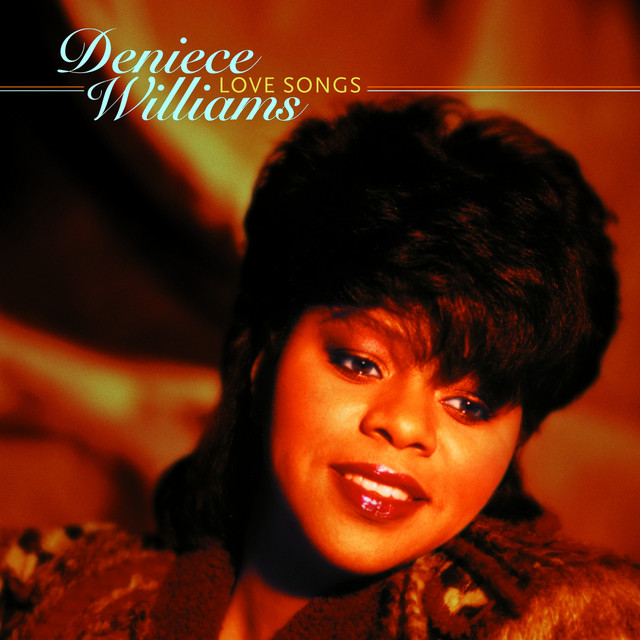
A Voice of Freedom
Deniece Williams’ journey to creating "Free" is as liberating as the song itself. Released in 1976 on her album This Is Niecy, the track emerged during a time when soul music was evolving, resonating with a growing desire for personal expression and autonomy.
From Child Prodigy to Soul Icon
Born in Gary, Indiana, on June 3, 1950, Williams was destined for greatness. Her early exposure to gospel music shaped her powerful voice, leading her to perform as a choir soloist. This foundation not only honed her vocal prowess but also instilled in her a deep sense of spirituality and connection to her roots.
Williams has been described as "one of the great soul voices" by the BBC, highlighting her influence in the genre.
Writing 'Free'
Co-written with Hank Redd and Nathan Watt, "Free" speaks to Williams' own struggles and triumphs. The lyrics reflect a yearning for personal freedom, a theme that Williams herself was grappling with. The chorus, where she sings about the desire to be unencumbered, echoes a universal quest for independence.
"I’m free to do what I want to do / I’m free to be who I want to be."
This bold declaration captures the essence of self-empowerment, a sentiment that resonates with anyone seeking to break free from societal expectations or personal constraints.
The Cultural Context
The 1970s was a pivotal decade for African American artists. With the civil rights movement still fresh in the collective memory, Williams’ message in "Free" transcends personal liberation; it taps into a broader narrative of racial and social freedom. Her vocal delivery carries an urgency that compels listeners to reflect on their own lives.
Legacy of 'Free'
Years later, "Free" remains a powerful anthem. Its influence can be seen in various genres and has been sampled by contemporary artists who recognize the timeless appeal of Williams' message. The song is not just a personal declaration; it’s an invitation for listeners to embrace their own journeys towards self-acceptance and liberation.
A Journey of Self-Acceptance
Williams’ personal battles with self-image and acceptance have shaped her artistry. The song's creation was not just about crafting a hit; it was a cathartic release and a reclamation of her identity as a Black woman in America. The sincerity in her voice brings a depth to the song that sets it apart from typical pop anthems.
Conclusion
Deniece Williams' "Free" stands as a testament to her personal journey and the universal quest for freedom. It’s an affirmation that self-discovery is a continual process, and her legacy is a reminder that true empowerment comes from within. In a world still grappling with issues of identity and autonomy, Williams' anthem remains ever-relevant, urging us all to embrace our individuality.