A Soulful Anthem of Liberation
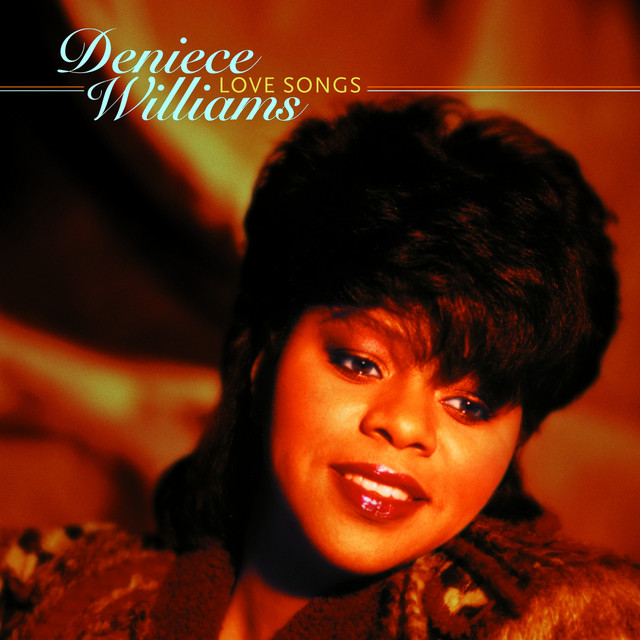
Released in 1976 on her album This Is Niecy, Deniece Williams’ "Free" stands as a powerful testament to the themes of self-acceptance and liberation. The song's soaring melody and heartfelt lyrics have made it a staple in the LGBTQ+ community, resonating as a call to embrace one's true self.
Lyrics That Empower
At its core, "Free" is about breaking free from societal constraints. Williams sings,
This line has been adopted by many as a mantra for self-acceptance, particularly within LGBTQ+ circles where the struggle for identity can be fraught with external pressures and internal conflict."I’m free to be me, free to be me."
Cultural Context and Impact
The 1970s were a pivotal time for the LGBTQ+ community, marked by the aftermath of the Stonewall Riots and the burgeoning fight for rights and visibility. In this context, "Free" emerged not just as a song, but as an anthem of liberation. It echoed the sentiments of those seeking to live authentically, a need that transcends generations.
Deniece Williams, known for her rich, soulful voice, has been hailed as one of the great soul singers by the BBC.
A Connection to the Dance Floor
The song's infectious groove has made it a favorite at pride events and dance floors across the globe. Dance music culture has long been intertwined with LGBTQ+ expression, and "Free" fits perfectly into that narrative. Its vibrant energy invites listeners to celebrate their identities openly and joyfully.
Legacy in Modern LGBTQ+ Spaces
As the years have passed, "Free" has not lost its relevance. Contemporary artists and activists continue to reference Williams' work as they fight for visibility and equality. The song has been featured in various LGBTQ+ media, ensuring that its message remains alive and potent.
Conclusion: More Than Just a Song
Deniece Williams’ "Free" has transcended its origins as a soulful track to become a vital part of LGBTQ+ culture. Its themes of liberation and authenticity resonate with anyone who has felt the weight of societal expectations. Williams’ voice is not just a reminder of individual freedom but a celebration of the collective struggle for acceptance.