The Underground Scene
In the vibrant streets of Miami during the 1980s, a music revolution was brewing. The city's nightlife, fueled by Latin rhythms and the burgeoning hip-hop culture, became the breeding ground for a new genre: freestyle. This movement blended electronic beats with catchy melodies, paving the way for artists like Debbie Deb and producers such as "Pretty" Tony Butler.
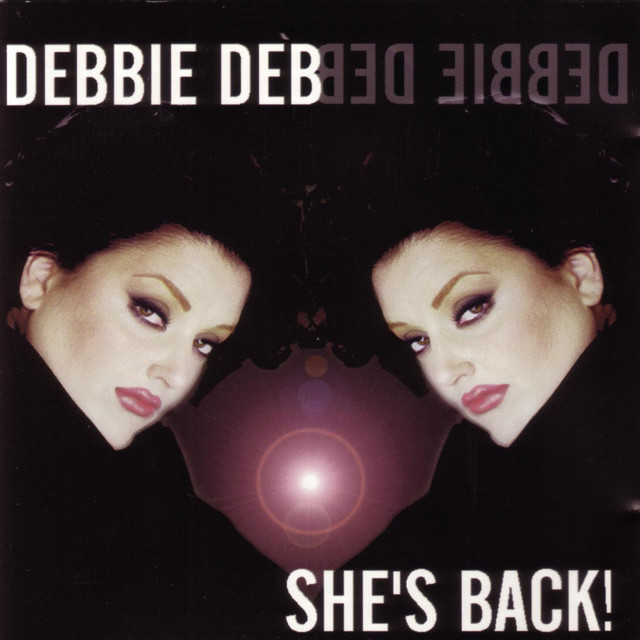
Debbie Deb: The Voice of Freestyle
Debbie Deb, born Deborah M. Mendez, carved her niche in this electrifying scene with her 1986 hit "When I Hear Music". Produced by Butler, whose background in electronics gave him the tools to create infectious beats, the song showcased Deb's powerful vocals and the genre's signature sound. The track quickly became an anthem, synonymous with the late-night dance parties that defined Miami's club culture.
The Producer's Touch
"Pretty" Tony Butler’s influence on freestyle cannot be overstated. He wasn’t just a producer; he was a visionary who understood how to harness the energy of the streets. His approach was deeply rooted in the technology of the time, using synthesizers and drum machines to create tracks that felt both futuristic and relatable. This technical prowess is evident in the pulsating bass line of "When I Hear Music" that invites listeners to get lost in the rhythm.
The Lyrics and Their Meaning
In the chorus, Deb sings about the euphoric feeling that music brings. The lyrics, while simple, capture the essence of the freestyle movement:
. This sentiment reflects a universal truth, one that connects people across cultures and backgrounds, and is a hallmark of the freestyle genre."When I hear music, it makes me dance"
Cultural Impact
The impact of "When I Hear Music" extended beyond Miami. As freestyle music gained traction across the United States, it became a staple in dance clubs and radio stations alike. The song's infectious energy contributed to the rise of freestyle as a significant genre in the late '80s and early '90s. Debbie Deb's work, including her earlier hit "Lookout Weekend," solidified her status as a queen of the dance floor.
Interesting fact: Debbie Deb was only 17 years old when she recorded "When I Hear Music," showcasing her incredible talent at a young age.
The Legacy of Freestyle
Today, the legacy of freestyle is seen in various musical styles, from reggaeton to EDM. The genre's ability to merge diverse influences and create something new continues to resonate in modern music. Tracks like "When I Hear Music" serve as a reminder of the vibrant culture that birthed them.
A Return to Roots
As new generations of artists emerge, the roots of freestyle music are being revisited and reinterpreted. Debbie Deb's influence is palpable, as contemporary musicians acknowledge the significance of her work. The underground origins of "When I Hear Music" remind us of how music can emerge from the most unexpected places, fueled by passion and creativity.