The Beat That Binds
Debbie Deb's "When I Hear Music," released in 1983, is more than just a track; it's a phenomenon that has thrived in LGBTQ+ dance culture for decades. Produced by the innovative 'Pretty' Tony Butler, who honed his skills in music production through studying electronics, this freestyle gem invites listeners into a universe where the rhythm is a lifeline.
A Celebration of Sound
Freestyle music is often characterized by its pulsating beats and catchy hooks, and Deb's song delivers both in spades. With lyrics that evoke a sense of euphoria, she sings,
This line captures the essence of what dance music represents for many—liberation from the constraints of everyday life."When I hear music, it makes me feel so free."
Timeless Appeal
At LGBTQ+ dance parties, "When I Hear Music" transcends its original context. The song is frequently played as a nod to the freedom of expression that defines these spaces. The infectious beat compels bodies to move and souls to connect, creating a shared experience that feels both personal and communal.
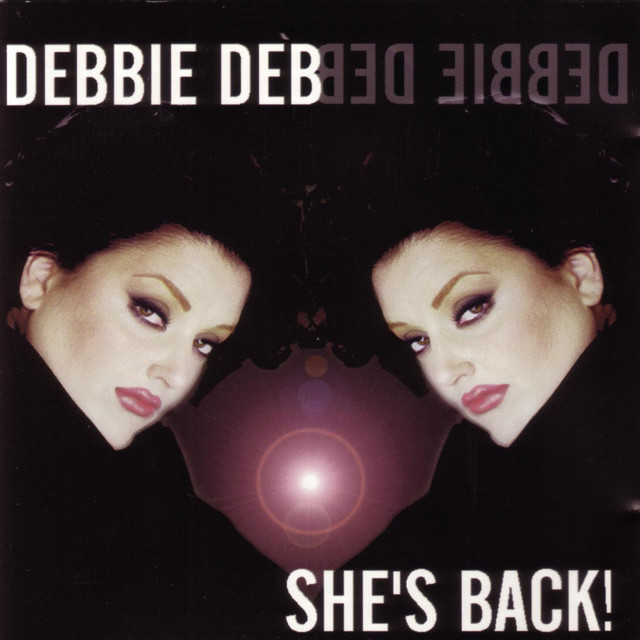
Debbie Deb is also known for her other hit, "Lookout Weekend," which helped solidify her place in the freestyle genre.
Historical Context
The 1980s were a transformative time for music, especially in urban communities where freestyle emerged. Produced in Miami, "When I Hear Music" reflects the vibrant nightlife and burgeoning club scenes of the era. It became a staple in dance clubs, where LGBTQ+ individuals found a sense of belonging and celebration.
Emotional Resonance
Listening to this track today, it’s clear why it has such lasting power. The repetitive, euphoric chorus not only encourages dancing but also fosters emotional release. In a world often filled with challenges, the song's call to joy is irresistibly magnetic:
This sentiment has echoed through generations, making it a perfect anthem for those seeking connection on the dance floor."I hear music, and I feel alive."
Legacy and Influence
Debbie Deb's influence extends beyond just her chart-topping hits. Her music has inspired countless artists and continues to shape the sound of modern dance music. New generations of DJs incorporate her work into their sets, introducing her infectious energy to fresh audiences.
The Dance Floor's Heartbeat
Ultimately, "When I Hear Music" is more than just a nostalgic track; it is a celebration of life, love, and the joy found in community. Its ability to unite people on the dance floor, regardless of background, reinforces the importance of music in the LGBTQ+ experience. The song is a reminder that when the music plays, we are all free.