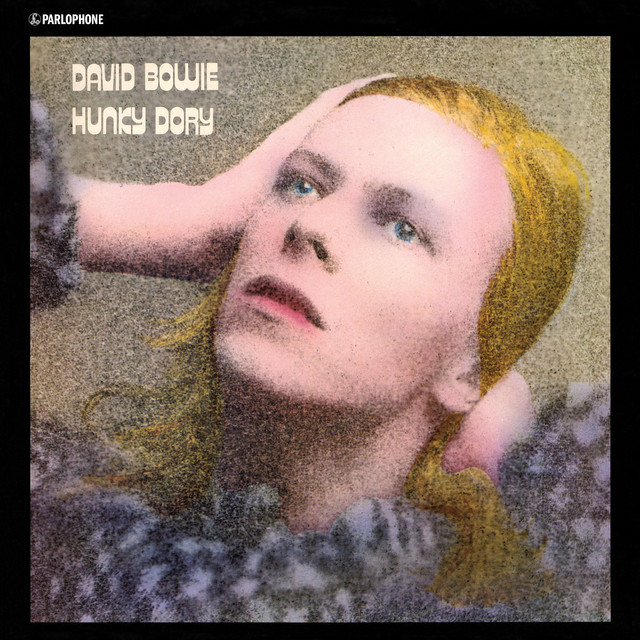
Introduction to 'Changes'
David Bowie's "Changes," from the 1971 album Hunky Dory, stands as a seminal track in the realm of rock music, encapsulating the angst and hope of a generation. Its theme of transformation is not merely a reflection of the personal evolution Bowie underwent but also a commentary on the broader societal shifts occurring during the early 1970s.
Childhood as a Catalyst
Born in 1947 in Brixton, London, Bowie's formative years were marked by a sense of dislocation and identity crisis. His early experiences—his parents’ tumultuous relationship, his brother’s schizophrenia, and the backdrop of post-war Britain—shaped his worldview. This sense of alienation is palpable in the lyrics of "Changes," where he sings about the inevitability of transformation:
. Here, Bowie captures a universal truth about growing up: the realization that change is constant."Turn and face the strange"
The Influence of 'Five Years'
In "Five Years," another track from his Ziggy Stardust era, Bowie confronts the fragility of existence. Released in 1972, the song starkly portrays a world on the brink, offering a glimpse into the fears that may have haunted Bowie since his childhood. The line
illustrates a looming sense of urgency, a feeling that permeated his early life as he grappled with family instability. This theme of impending change resonates with the exploration of identity in "Changes," further emphasizing how childhood experiences inform his narrative."We’ve got five years, stuck on my eyes"
Cultural Reflections
During Bowie’s youth, British society was undergoing significant transformation. The 1960s counterculture, the rise of youth movements, and the questioning of traditional norms found their way into his songwriting. In "Changes," Bowie reflects not just on his personal evolution but also on the collective experience of a generation seeking identity amidst chaos. The refrain
can be seen as an anthem encouraging listeners to embrace their personal journeys, shaped by both internal and external forces."Ch-ch-changes, turn and face the strange"
The Power of Nostalgia
Bowie's reflective lyrics tap into the nostalgia of youth. His ability to articulate the complexities of growing up—caught between innocence and the harsh realities of adulthood—has made "Changes" a timeless classic. The song captures the essence of youthful yearning and the struggle to adapt to life's inevitable changes, a sentiment that resonates with anyone who has faced the daunting task of self-discovery. Bowie’s childhood experiences serve as a wellspring for the emotions conveyed in this track.
Conclusion: Legacy of Transformation
The narrative of "Changes" is inextricably linked to Bowie’s childhood and the formative experiences that shaped his artistic voice. Through his exploration of identity, Bowie not only reflects on his own life but also offers a message of hope to all those navigating the tumultuous waters of change. The song remains a powerful reminder that, while the past may influence us, it is ultimately how we respond to change that defines our journey.
Bowie’s multifaceted relationship with his family and upbringing is a recurring theme in his work, showcasing the profound impact of childhood experiences on his artistry.