The Sound of Transformation
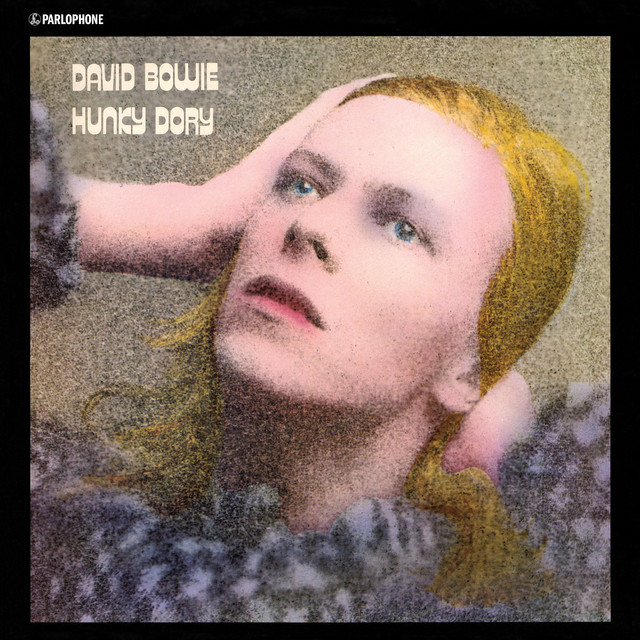
Released in 1971 on the album Hunky Dory, David Bowie's "Changes" stands as a sonic milestone that transcended its era. With its sweeping piano lines and Bowie’s androgynous vocal delivery, the song embodies a yearning for self-discovery that resonated profoundly with the LGBTQ+ community. The 70s were a time of upheaval, with the gay liberation movement gaining momentum, and Bowie's work became a soundtrack to this cultural shift.
Lyrics that Speak Volumes
The chorus of "Changes"—"Turn and face the strange"—has an urgency that speaks to anyone grappling with identity. As society began to challenge norms, Bowie's invitation to embrace change echoed the struggles and aspirations of many in the LGBTQ+ community. The line reflects a universal truth: growth often requires confronting discomfort.
"Turn and face the strange, ch-ch-changes"
This lyric not only captures the essence of personal metamorphosis but also serves as an anthem for those navigating the societal shifts of the time. In a decade marked by the Stonewall Riots and burgeoning visibility for queer identities, Bowie's message felt both revolutionary and relatable.
Pushing Boundaries
Bowie himself was a figure of defiance against traditional gender roles. He challenged the status quo with his Ziggy Stardust persona, which blurred the lines between masculinity and femininity. This was not just a performance; it was a declaration of freedom. His embrace of fluidity inspired countless fans to explore their own identities.
Bowie's influence extended beyond music; he was a pivotal figure in the glam rock movement, which celebrated flamboyance and self-expression.
A Symbol of Acceptance
The 70s LGBTQ+ community found solace in Bowie's work as they sought to carve out spaces where they could be unapologetically themselves. In clubs, at rallies, and in private gatherings, "Changes" became a rallying cry. Its themes of transformation and acceptance resonated with individuals who often faced rejection from mainstream society.
Legacy and Impact
As the years passed, "Changes" evolved from a personal narrative to a broader social commentary. The song's enduring legacy is evident in its continued relevance, even decades after its release. It was featured prominently in various LGBTQ+ events, reinforcing its role as an anthem of resilience.
"It's gonna be a different kind of story"
Bowie's foresight in acknowledging the inevitability of change speaks to the heart of the LGBTQ+ experience. The journey toward self-acceptance is often fraught with challenges, but Bowie's optimism offers a glimpse of hope.
Conclusion: A Timeless Anthem
David Bowie's "Changes" is more than just a song; it's a cultural touchstone that captures the spirit of an era marked by both struggle and triumph. It reminds us that while the process of change can be daunting, it is also essential for growth. The LGBTQ+ community found not just solace but empowerment in Bowie's words, solidifying his place as a key figure in their history.