From Prototype to Pop Classic
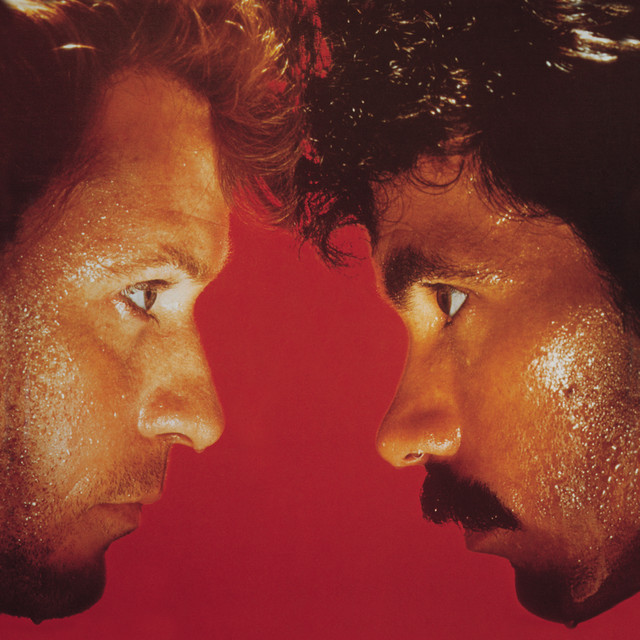
Daryl Hall & John Oates’ "Maneater" is more than just a sultry anthem of the early '80s; it's a complex exploration of desire and danger. Released in 1982 as part of the album H2O, the song is a quintessential product of its time, blending pop rock with an infectious groove. Yet, its origins are rooted in a collaboration that might surprise many.
In a 2009 interview with American Songwriter, Hall revealed that John Oates initially crafted a rough version of "Maneater" while working with musician Edgar Winter. This early prototype was a far cry from the polished hit that would later dominate the charts, showcasing how collaboration can morph a simple idea into a seductive musical narrative.
More Than Meets the Eye
The lyrics of "Maneater" paint a vivid picture of a woman whose allure is both intoxicating and perilous. Lines like
suggest a nocturnal predator, embodying both sexuality and danger. This portrayal taps into a broader cultural fascination with femme fatales, drawing on archetypes that have existed in music and literature for decades."She only comes out at night, the lean and hungry type"
While the surface narrative might suggest a simple cautionary tale about romance gone awry, the track delves deeper into themes of agency and power. The seductive nature of the lyrics invites listeners to confront their own desires, while simultaneously warning them of the potential consequences.
The Sound of Seduction
Musically, "Maneater" is as captivating as its lyrics. The driving beat, catchy hooks, and Hall's smooth vocal delivery create a soundscape that feels both alluring and menacing. Producer Neil Kernon helped shape the track, ensuring that the production matched the lyrical content's duality. The saxophone solo, in particular, adds a layer of sophistication and sensuality that elevates the entire listening experience.
A Reflection on Relationships
There's a notable tension in how the song reflects on relationships, especially in the context of the early '80s. During this era, themes of empowerment and independence were often explored in pop culture. However, "Maneater" complicates this narrative by suggesting that independence can also harbor danger. This duality is articulated in the line
, which warns of the risks involved in pursuing such a captivating figure."Oh, here she comes, watch out boy, she'll chew you up"
Legacy and Influence
Decades after its release, "Maneater" remains a staple on playlists and radio stations, a testament to its lasting impact. The song has inspired countless covers and has been featured in various media, solidifying its status in pop culture. Its narrative continues to resonate, perhaps more now than ever, as discussions surrounding female empowerment and sexuality evolve.
Conclusion: The Complexity of Desire
Ultimately, "Maneater" serves as a reminder that attraction often comes with strings attached. The seductive narrative crafted by Hall & Oates is a cautionary tale wrapped in an irresistibly catchy melody. As we continue to dissect the layers of this iconic track, it becomes clear that the allure of a "maneater" is not just in her charm, but in the complicated dynamics of desire and danger that she embodies.
Did you know? "Maneater" reached number one on the Billboard Hot 100, becoming one of Hall & Oates' most successful songs.