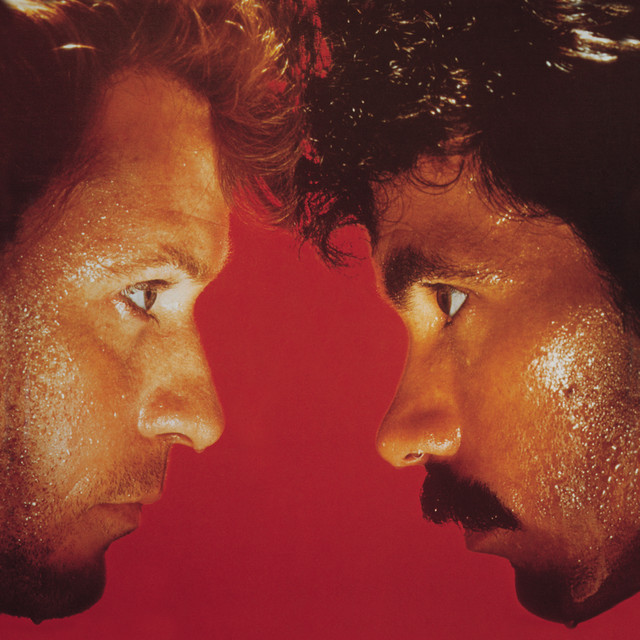
Introduction to 'Maneater'
Released in 1982 on the album H2O, Daryl Hall & John Oates' hit "Maneater" became an anthem of the early '80s. Co-written by Hall and John Oates, the song captures the essence of a decade marked by economic shifts and changing social dynamics. With its catchy synth lines and haunting lyrics, it wasn't just a pop sensation; it served as a commentary on the era's socio-economic themes.
The '80s Economic Climate
The early '80s were a turbulent time in America, characterized by recession, high unemployment, and rising inflation. The music of the time often mirrored these challenges, with artists addressing themes of greed, ambition, and the darker side of the American Dream. "Maneater" fits seamlessly into this narrative, portraying a world where relationships are transactional and survival often comes at a cost.
Women, Power, and the Capitalist Dream
At the heart of "Maneater" is a compelling character—an alluring woman who embodies the seductive yet destructive force of capitalism. The lyrics caution listeners about her charm:
This imagery not only highlights the dangers of giving in to temptation but also reflects the growing power women were asserting in the workforce during this period. The song suggests that navigating this new landscape requires caution, as the pursuit of success can lead to emotional and financial ruin."Oh, here she comes / Watch out, boy, she'll chew you up"
Contextualizing the Lyrics
Daryl Hall's recollection of the song's inception reveals its roots in collaboration and experimentation. In a 2009 interview with American Songwriter, Hall noted that John Oates had been working on a prototype of "Maneater" with Edgar Winter before they fine-tuned it together. This creative process contributed to the song's polished production, which features lush instrumentation characteristic of the early '80s pop rock scene.
Media Representation and Gender Roles
The depiction of women in media during the '80s was often complex, reflecting societal shifts. "Maneater" taps into the archetype of the femme fatale, a trope frequently seen in films and literature at the time. The song's narrative warns of a woman who uses her allure to manipulate men, echoing the anxieties surrounding women's newfound independence in the workforce. However, it also raises questions about the extent to which women were held accountable for their actions versus being products of a larger societal structure.
The Lasting Impact
"Maneater" remains relevant today, transcending its era. The themes of manipulation and caution resonate with audiences facing similar societal pressures. The song's catchy chorus belies a deeper commentary on the cost of ambition and desire, making it a quintessential example of how pop music can mirror socio-economic realities.
Fun Fact: "Maneater" topped the Billboard Hot 100 chart for four weeks, showcasing Hall & Oates' monumental success during the early '80s.
Conclusion
Ultimately, "Maneater" is more than a catchy pop song; it's a reflection of the socio-economic landscape of the 1980s. By cleverly weaving themes of power, temptation, and the consequences of ambition into its lyrics, Hall & Oates crafted a narrative that still resonates today. The appeal of its infectious melody combined with its sharp social commentary continues to captivate listeners, proving that some pop songs carry more weight than we might initially perceive.