The Dark Side of the Hustle
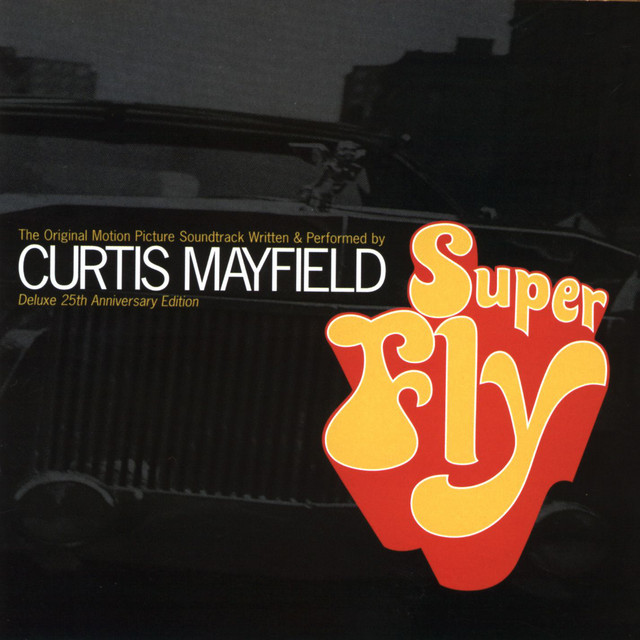
Curtis Mayfield's "Pusherman," released in 1972 as part of the soundtrack for the film Superfly, is a harrowing reflection on the drug culture that plagued urban America in the 1970s. Mayfield, often hailed as the Gentle Genius, uses his platform to expose the gritty realities behind the allure of drugs and the complex web of dependency they create.
A Character Study
The protagonist of "Pusherman" is not just a dealer; he’s an embodiment of survival in a world where the stakes are life and death. Mayfield's lyrics are unflinching as they portray the pusher as both a villain and a product of his environment. Lines like
reveal a manipulative charm, a promise of escape that lures individuals into a cycle of addiction."I'm your pusher, I can make you feel good"
Social Commentary
Mayfield's music has always been steeped in social consciousness, and "Pusherman" is no exception. The song captures the desperation of those caught in the throes of addiction, reflecting a broader societal failure. The pusher is not merely a figure of moral decay; he represents the systemic issues that drive individuals to drugs in the first place. Mayfield’s keen insights are a call to recognize the humanity behind the addiction.
Musical Brilliance
Musically, the track combines funk, soul, and a haunting melody that enhances its emotional weight. The groove is infectious, yet it contrasts sharply with the dark themes, creating a dissonance that forces listeners to confront uncomfortable truths. This juxtaposition is a hallmark of Mayfield's genius, inviting listeners to dance while simultaneously making them aware of the horrors of drug culture.
Legacy and Relevance
Decades later, the themes in "Pusherman" remain painfully relevant. The opioid crisis and the ongoing struggles with addiction reflect the same cycles of despair that Mayfield captured in his lyrics. His ability to articulate the complexities of drug culture resonates in today’s discussions about addiction, mental health, and the socio-economic factors that contribute to them.
A Call to Action
Mayfield’s work serves as a reminder that the fight against drug abuse is not just about policy but about understanding the people behind the statistics. As we listen to "Pusherman," we are called to empathize with those who are struggling rather than demonizing them. The track stands as a timeless piece of art that speaks to the need for compassion and systemic change.
Interesting fact: Curtis Mayfield's "Superfly" soundtrack is often considered one of the best film soundtracks of all time, blending social critique with unforgettable melodies.