The Early Days: Soul Meets Social Commentary
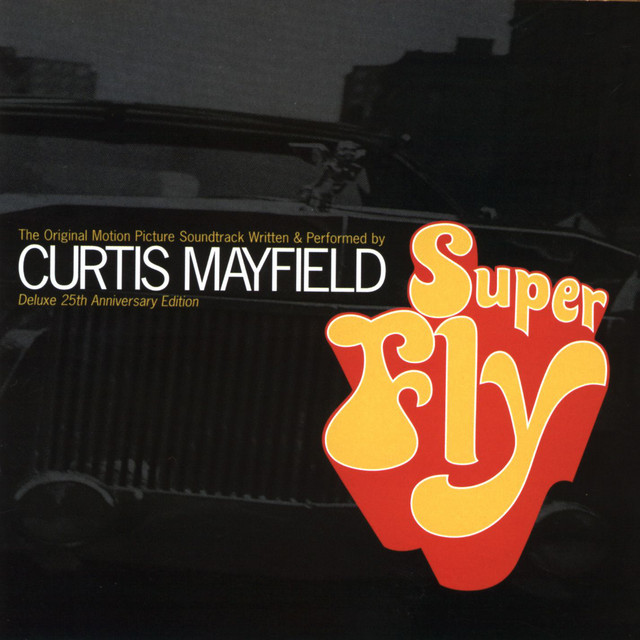
When Curtis Mayfield first unleashed "Pusherman" in 1972 as part of the soundtrack for the film Superfly, he was not just creating a catchy groove; he was laying bare the gritty complexities of urban life and the drug culture that permeated it. The song's infectious rhythm and brass-laden arrangement drew listeners in, but the lyrics revealed the darker undertones of survival and exploitation.
Musical Evolution in Live Settings
Over the years, Mayfield's live performances of "Pusherman" transformed. Initially, the song maintained a slick, polished sound that mirrored the production style of the early '70s soul scene. However, as he continued to perform it throughout the decades, the arrangement became more stripped down, often featuring a raw, unfiltered sound that highlighted his signature falsetto and guitar work.
This shift was particularly evident during the late '80s and '90s, when Mayfield began to incorporate elements of funk and even hints of hip-hop into his live renditions. The urgency of the lyrics seemed to gain new life against the backdrop of a more organic sound, emphasizing the struggle and desperation inherent in the narrative.
Lyrical Depth in Live Interpretation
In live performances, Mayfield often extended his lyrical improvisations, allowing for a deeper exploration of the song's themes. Lines like
took on a haunting quality as he delivered them with a sense of urgency that made it clear he understood the weight of his words."I'm your only friend, I'm your only friend"
As societal issues evolved, so did the resonance of Mayfield's lyrics. Live interpretations during the late '80s addressed the crack epidemic, transforming the meaning of the song for a new generation. When he sang,
, it became a call to action, urging listeners to confront the realities of addiction and corruption."You can take my hand, take a look at the man"
Audience Connection and Cultural Impact
Mayfield's ability to connect with his audience was unparalleled. During live shows, his charisma and heartfelt delivery created an atmosphere where the audience felt not just like spectators, but participants in a communal experience. This was especially true in performances where he would pause, allowing the crowd to echo back his lines, creating a dialogue that transcended the stage.
The 1990s performances, especially post his tragic accident that left him paralyzed, showcased his resilience. Even with physical limitations, his spirit shone through, reminding audiences of the power of music as a tool for both personal and societal healing.
A Lasting Legacy
Today, "Pusherman" remains an anthem, not just of the past but of ongoing struggles. Artists continue to cover it, drawing on its rich history while adding their own interpretations. Mayfield’s original intent—grappling with the realities of life—has only grown richer through the years.
In the end, Curtis Mayfield’s live performances of "Pusherman" illustrate an evolution that mirrors societal changes. The music progressed, but the core message of the song—a reflection on the human condition—remains as potent as ever.
Interesting fact: Mayfield was known as the 'Gentle Genius' for his ability to fuse social consciousness with catchy melodies.