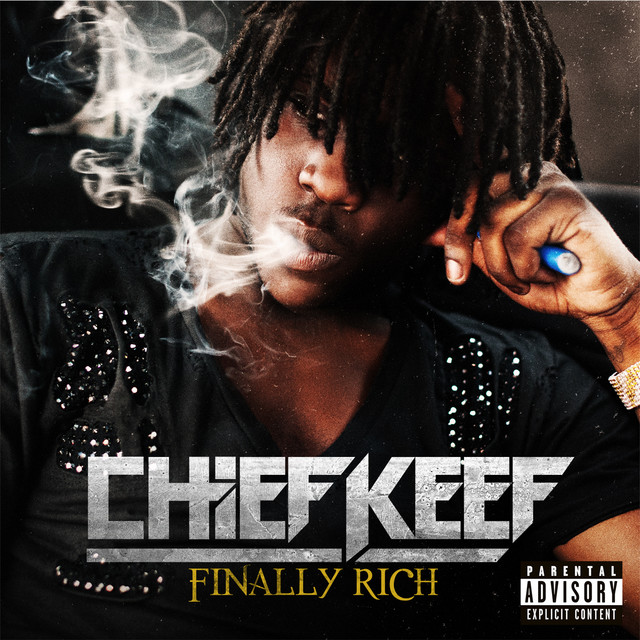
The Birth of a Movement
When Chief Keef's "I Don't Like" dropped in 2012, it wasn't just another track; it was a declaration. Produced by Young Chop, this debut single featured Lil Reese and became the anthem of a generation. The song's raw energy and unfiltered lyrics captured a gritty reality that was both captivating and alarming.
Chicago's drill scene was already simmering, but "I Don't Like" provided the explosive spark that ignited it. Local promoters hailed it as "the perfect Chicago song because 'niggas just feel it.'" The track's bass-heavy production and minimalistic yet menacing beat set the tone for what would become a cultural phenomenon.
Lyrical Honesty and Realism
Chief Keef's lyrics in "I Don't Like" are stark and unapologetic, reflecting the harsh realities of street life. Lines like
convey a sense of distrust and disappointment that resonated with many in his community. This sentiment was not just a personal expression; it became a rallying cry for youth navigating the complexities of life in Chicago's South Side."I don't like, I don't like, I don't like, I don't like / I don't like nobody"
The repetition in the chorus is hypnotic, almost ritualistic, emphasizing feelings of anger and defiance. It's a sonic representation of the frustrations that many young men and women felt, making it relatable and, ultimately, anthemic.
Drill's Distinct Sound and Style
Musically, "I Don't Like" defined the drill sound. Young Chop's production was a perfect marriage of hard-hitting beats and eerie synths, creating an atmosphere that was both menacing and intoxicating. This sound not only influenced local artists but also caught the attention of the mainstream, paving the way for other Chicago rappers.
The song's success helped establish a unique identity for drill music, characterized by its dark themes and aggressive delivery. Artists like Lil Durk, G Herbo, and King Von would follow in Keef's footsteps, crafting their narratives with the same raw honesty.
Chief Keef's "I Don't Like" was pivotal in gaining national attention for the Chicago drill scene, influencing artists across genres.
Impact on Hip-Hop and Beyond
The influence of "I Don't Like" extends beyond Chicago. The song laid the groundwork for a new era in hip-hop, where authenticity and street credibility became paramount. Its impact can be seen in the work of artists who followed, from the likes of Pop Smoke to even the wider trap genre.
Moreover, the song opened up conversations about violence, poverty, and street life, themes that would dominate the discourse around hip-hop. This wasn't just music; it was a reflection of societal issues that needed to be addressed.
A Lasting Legacy
Today, the legacy of "I Don't Like" is undeniable. It remains a cultural touchstone in discussions about drill music and its evolution. The song marked not just the rise of Chief Keef but also a shift in how narratives from the streets were told through music.
As drill continues to evolve and adapt, the influence of Keef's debut single is still palpable. Its raw energy and brutal honesty resonate with new generations of artists and fans alike, solidifying its place in hip-hop history.