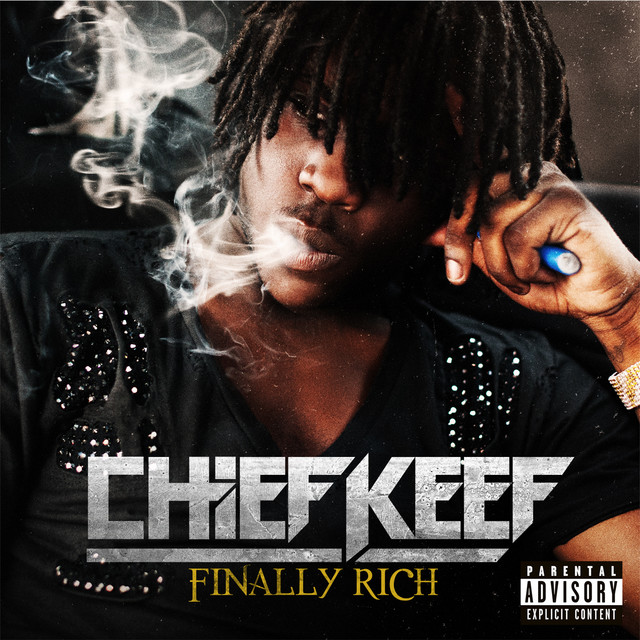
The Birth of a Chicago Anthem
In the spring of 2012, Chicago was on the brink of a musical explosion, and at the center of it was Chief Keef. His debut single, "I Don't Like," featuring fellow rapper Lil Reese, not only marked his entry into the mainstream but also crystallized the sound of a city grappling with both turmoil and creativity. The track's raw energy and unapologetic lyricism became synonymous with the streets of Chicago, and it all started with a chance encounter with producer Young Chop.
A Chance Meeting
Young Chop, a teenager himself, stumbled upon Chief Keef at a local studio session. Their chemistry was instant, and it was this serendipitous meeting that laid the groundwork for the track that would come to define a moment in hip-hop history. As Chop recalls, the vibe was electric; he realized he was working with someone who had a unique authenticity that the genre desperately needed. This collaboration was about more than just music; it was a cultural moment, a shoot-off from the GBE (Glory Boyz Entertainment) collective that would soon dominate the rap scene.
The Sound of 'I Don't Like'
Musically, "I Don't Like" is a masterclass in minimalist production. Young Chop’s beat is hypnotic, driven by a monotone synth line and a heavy bass that underpins Keef's blunt, almost disaffected delivery. This aesthetic was groundbreaking for its time, steering away from the polished sounds of mainstream rap and instead embracing a raw, unfiltered style that mirrored the realities of life in Chicago.
Lyricism Rooted in Reality
The lyrics of "I Don't Like" provide a stark commentary on Chief Keef's environment. Lines like
succinctly encapsulate a sense of disillusionment and mistrust. It’s not just a catchy hook; it’s a reflection of the survival mentality that permeates the lives of many in his community. The bluntness of Keef's words cut through any pretense, grounding the track in a visceral reality that resonated with listeners."I don't like, I don't like, I don't like / I don't like nobody"
Cultural Impact
Upon its release, the song quickly gained traction, becoming an anthem in Chicago and beyond. Local party promoters praised it as the “perfect Chicago song,” aptly noting that it captured the city's gritty essence. The track's impact was so profound that it sparked a wave of drill music, a subgenre that would influence countless artists and mold the sound of contemporary hip-hop.
Did you know? "I Don't Like" played a crucial role in bringing the drill music scene to national attention, paving the way for artists like Lil Durk and G Herbo.
Legacy of 'I Don't Like'
As the years have gone by, "I Don't Like" has not only stood the test of time but has also become a touchstone for discussions about authenticity in hip-hop. The song’s straightforwardness and the raw energy encapsulate the essence of what it means to be a voice of the streets. Chief Keef's ability to translate his lived experiences into music set a precedent for a new generation of artists.
The Power of Serendipity
Ultimately, the creation of "I Don't Like" is a testament to the power of chance encounters. Young Chop and Chief Keef’s collaboration was about more than just a hit single; it was about two young artists finding their place in a world that often seemed closed off to them. The track's success proved that sometimes, the most significant artistic moments arise from unexpected beginnings.