The Birth of an Anthem
Robyn's "Dancing On My Own," released in 2010 as part of her album Body Talk Pt. 1, is a modern classic that has transcended its pop origins to become a crucial piece in the LGBTQ+ musical canon. The track's pulsating beat and synth-driven production create a soundscape of heartbreak that feels both personal and universal.
Yet, it's not just the catchy hooks that keep the song alive in the hearts of listeners; it’s the raw emotion behind the lyrics. Lines like
encapsulate the feeling of longing and isolation, sentiments that resonate deeply within the LGBTQ+ community."I'm in the corner watching you kiss her, ohhhh"
Calum Scott's Transformative Cover
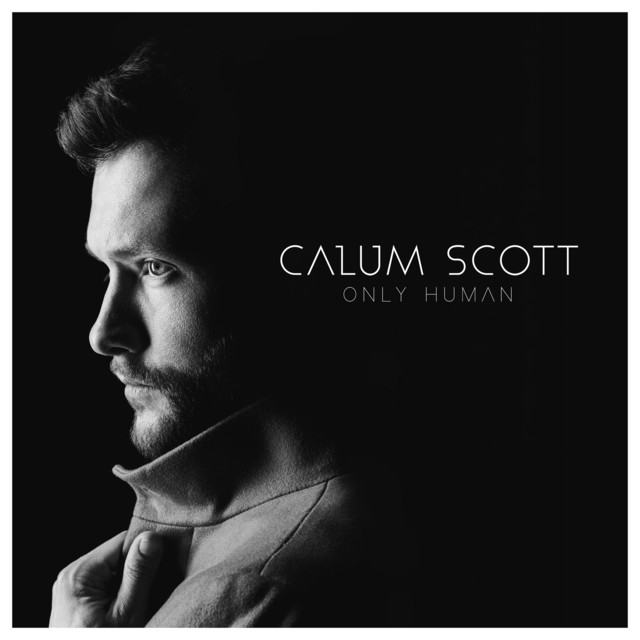
In 2015, Calum Scott's rendition on Britain's Got Talent introduced the song to a new audience, earning him a Golden Buzzer from Simon Cowell. His performance brought a fresh vulnerability to the lyrics, allowing fans to see the experience of unrequited love and heartbreak through a contemporary lens. Scott's emotive voice transformed the song into an anthem for those grappling with their identities and romantic struggles.
Calum Scott's cover of "Dancing On My Own" topped charts in multiple countries and has amassed over 200 million streams on Spotify.
Scott's version has ignited conversations about LGBTQ+ representation in music, showing how a powerful song can connect with issues of identity and acceptance. His interpretation, laden with personal history, speaks to a broader audience who may have felt marginalized, reflecting the struggles of finding love and belonging.
A Cultural Touchstone
The song has evolved into a cultural touchstone, often played at LGBTQ+ events and pride celebrations. Its themes of alienation and resilience resonate with anyone who has felt like an outsider. The repeated line
serves as a rallying cry, a reminder that despite the pain of rejection, one can still find joy in self-expression."I'm still dancing, I'm still dancing on my own"
Moreover, the song's impact extends beyond the music charts. It has inspired numerous covers and performances within the queer community, often reinterpreted to reflect personal experiences of loss and hope. The song's narrative has been embraced in drag shows and dance performances, where the act of dancing alone transforms from a symbol of loneliness into one of empowerment.
Continuing the Conversation
As we look at the landscape of contemporary pop music, it's clear that "Dancing On My Own" holds a special place in the hearts of many. It paved the way for conversations around LGBTQ+ representation in a genre often dominated by heteronormative narratives. Today's artists are increasingly vocal about their identities, with songs that explore love, heartbreak, and acceptance.
Robyn and Scott’s contributions elevate the ongoing dialogue about representation in music, pushing against the confines of traditional narratives. The song invites everyone to dance, regardless of their circumstances, offering solace in its shared pain and celebration of individuality.
Conclusion
Ultimately, "Dancing On My Own" is more than just a song; it’s a movement. It encapsulates the spirit of resilience and the power of self-acceptance in the face of adversity. As both Robyn and Calum Scott have shown, there's an undeniable magic in transforming personal heartbreak into an anthem that unites and uplifts.