From Talent Show to Heartfelt Anthem
When Calum Scott appeared on Britain's Got Talent in 2015, his rendition of "Dancing On My Own" was not just a performance; it was a revelation. Originally penned by Swedish pop icon Robyn for her 2010 album Body Talk Pt. 1, the song has always been a poignant exploration of heartbreak and isolation. However, Scott's version transformed it into an anthem of personal struggle, illustrating how his own journey shaped its emotional depth.
A Personal Struggle
Calum Scott's rise to fame was marked by vulnerability. His battle with anxiety and the challenges of being openly gay in an often unforgiving world added layers to his interpretation of the song. When he delivers the line,
, listeners can feel the weight of unrequited love and the loneliness that comes with it. Scott's performance is raw, inviting us into his internal landscape where fear and longing collide."I'm in the corner, watching you kiss her, oh-oh"
Reclaiming the Narrative
The song's original context—a dance floor heartbreak narrative—takes on new meaning in Scott's hands. He strips away the upbeat tempo and transforms it into a haunting ballad, echoing his own experiences of feeling like an outsider. This reclamation of the song allows him to connect with audiences who have faced similar struggles, making his version resonate more authentically.
Emotion Over Technique
While Scott's vocal prowess is undeniable—his golden buzzer moment showcased a stunning range—it's his emotional delivery that sets him apart. He infuses the lyrics with a sense of urgency and desperation that goes beyond mere technical skill. Lines like
encapsulate a universal feeling of loneliness, yet in Scott's rendition, they become a battle cry for those fighting their own demons."I keep dancing on my own"
Contextualizing the Cover
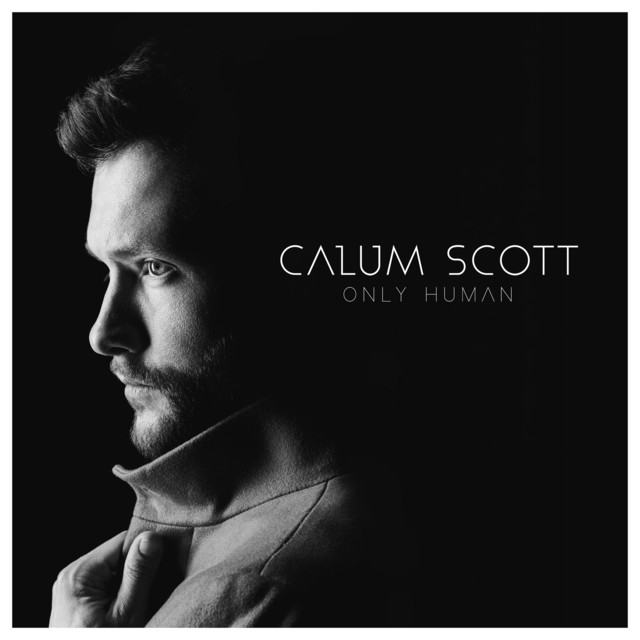
Scott's version of "Dancing On My Own" was released as part of his debut album, Only Human, in 2018, further solidifying his identity as an artist who prioritizes emotional truth over genre boundaries. The song's production—minimalistic yet impactful—allows his voice to shine while emphasizing the lyrical content. This choice reflects a growing trend in pop music where emotional authenticity takes precedence over polished perfection.
A Broader Impact
Since its release, Scott's cover has sparked conversations about mental health and the importance of vulnerability in music. His openness about his struggles has encouraged many to share their own experiences, creating a supportive community around the song. "Dancing On My Own" has become more than just a track; it’s a movement that champions self-acceptance and resilience.
The Legacy of 'Dancing On My Own'
Robyn’s original version was a dance-pop staple, but Scott’s cover elevates it to a new emotional plane. The juxtaposition of Robyn’s upbeat tempo and Scott’s balladic interpretation highlights the song’s versatility while underscoring its core message: love and loss are universal, but they hit differently for each of us. Scott's personal journey has breathed new life into a classic, proving that sometimes, the most profound interpretations come from those who have lived the pain.
Calum Scott's cover of "Dancing On My Own" reached over 500 million streams on Spotify, illustrating its widespread impact and resonance.