The Rastafarian Spirit in 'So Much Trouble In The World'
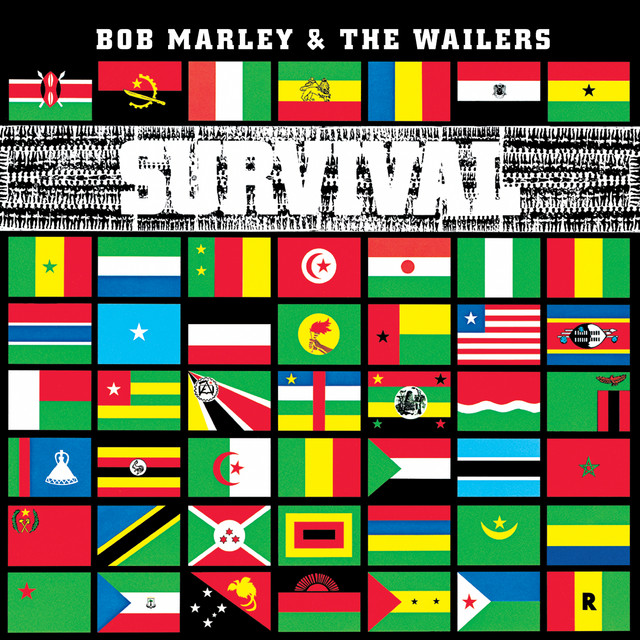
Released in 1979 on the album Survival, Bob Marley’s "So Much Trouble In The World" stands as a clarion call for justice and awareness. With its militant theme, Survival reflects Marley’s unwavering commitment to Rastafarian beliefs, making it an anthem for the oppressed.
Marley’s Rastafarian faith is not just a backdrop; it infuses every note and lyric of his music with a sense of purpose. In the face of global turmoil, the song articulates a profound connection between personal struggles and broader societal issues, mirroring the Rastafarian emphasis on social justice and equality.
Lyrics that Echo Struggle and Hope
In "So Much Trouble In The World," Marley sings about the myriad injustices faced by people worldwide. Lines like
reflect a painful reality that is both contemporary and timeless. The repetition of these words serves as a stark reminder of unrelenting hardships, urging listeners to confront the difficulties of existence."So much trouble in the world / So much trouble in the world"
This song encapsulates the Rastafarian belief in unity and resilience. By voicing collective anguish, Marley invites listeners to rise above their circumstances. His call to action is clear: awareness is the first step toward change.
Militancy and Musicality
Critics have pointed out that Survival channels an outwardly militant theme, a characteristic that runs through many of Marley’s works. The album’s title itself underscores a struggle for existence. Tracks like "Zimbabwe" and "Africa Unite" further amplify this militant stance, but "So Much Trouble In The World" uniquely blends urgency with a sense of hope.
Marley’s ability to marry militant themes with uplifting melodies is a testament to his genius. The musical arrangement of "So Much Trouble In The World" is deceptively soothing, creating a contrast that compels listeners to engage with the weight of the lyrics. This duality is a hallmark of Marley’s work, rooted in his Rastafarian philosophy.
The Global Context of the Message
Released during a time of political upheaval and social change, the song resonates with the struggles of many marginalized communities. The Rastafarian ideology—which promotes a rich cultural identity alongside a call for justice—finds its voice in Marley’s lyrics. The global context of the late 1970s, marked by conflict and civil rights movements, amplifies the urgency of Marley’s message.
Did you know? The album Survival was inspired by Marley’s desire to highlight the struggles of African nations and their fight for independence.
Marley’s commitment to these beliefs is evident not just in this song but throughout his career. He was not merely a musician; he was a prophet of resistance, using his platform to advocate for the oppressed. "So Much Trouble In The World" serves as a reminder that the fight for justice is ongoing, and that awareness is the first step toward change.
A Lasting Legacy
Today, Marley's music continues to inspire new generations. His ability to articulate struggles through the lens of Rastafarian beliefs ensures that his work is not just relevant but essential. "So Much Trouble In The World" remains a powerful anthem, echoing the call for justice in a world that still faces many of the same challenges Marley addressed decades ago.
In the end, Bob Marley’s legacy is one of resilience and hope, encapsulated in songs that transcend time and culture. As listeners connect with his message, the spirit of Rastafarianism lives on, urging us to confront the troubles of our own world.