The Sound of Struggle
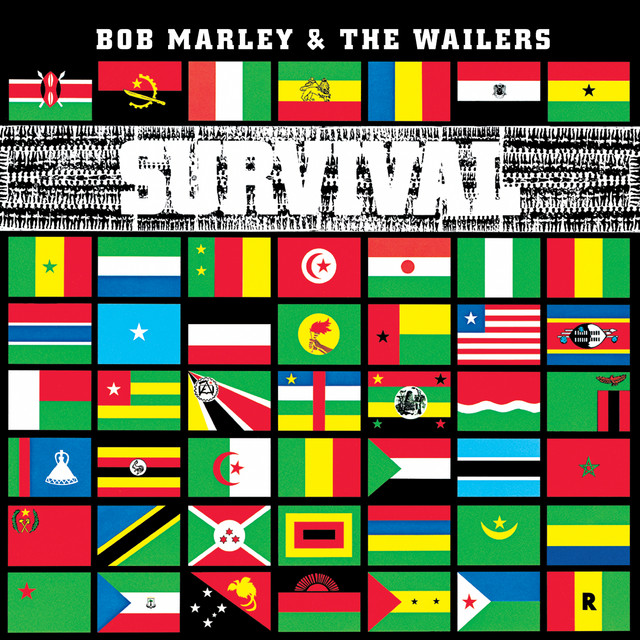
Released in 1979 on the album Survival, Bob Marley’s “So Much Trouble In The World” is not just a song; it’s a clarion call for awareness and action amid the political upheaval in Jamaica during the late 1970s. As the country grappled with violence, poverty, and political strife, Marley distilled these harsh realities into a track that still echoes with urgency today.
Context of the Times
The late 1970s was a turbulent period for Jamaica, marked by a clash between political factions, particularly the People’s National Party (PNP) and the Jamaica Labour Party (JLP). Violence erupted, and the societal divide was palpable. Against this backdrop, Marley’s music became a beacon of hope and a voice for the marginalized.
Did you know? The album Survival was a direct response to the political and social issues facing Jamaica, reflecting Marley’s commitment to activism.
A Lyric For Our Times
In “So Much Trouble In The World,” Marley articulates the pain and disillusionment felt by the Jamaican populace. The lines “So much trouble in the world / So much trouble in the world” are not just a lament; they are a stark reminder of the pervasive issues plaguing society. Marley’s delivery, infused with both hope and urgency, compels listeners to confront these truths.
Musical Elements and Production
Produced by Marley alongside his longtime collaborator Chris Blackwell, the track features a distinct reggae rhythm that underscores its message. The combination of melodic bass lines and infectious grooves makes it both a danceable tune and a serious commentary. Marley’s ability to weave together musicality with poignant lyrics is what sets this song apart.
Legacy and Impact
Decades later, “So Much Trouble In The World” remains relevant. The song’s themes of struggle, resilience, and social justice resonate with contemporary movements around the world. The power of Marley’s message lies in its universality; it speaks to anyone who has faced adversity.
Final Thoughts
Bob Marley’s “So Much Trouble In The World” serves as a powerful reminder of music’s role in activism. As the world continues to grapple with its own troubles, Marley’s words urge us to reflect, act, and strive for change. In a time where silence can be complicity, Marley’s voice rings clear, challenging us to confront the realities we face with courage and resolve.