The Lyceum Experience
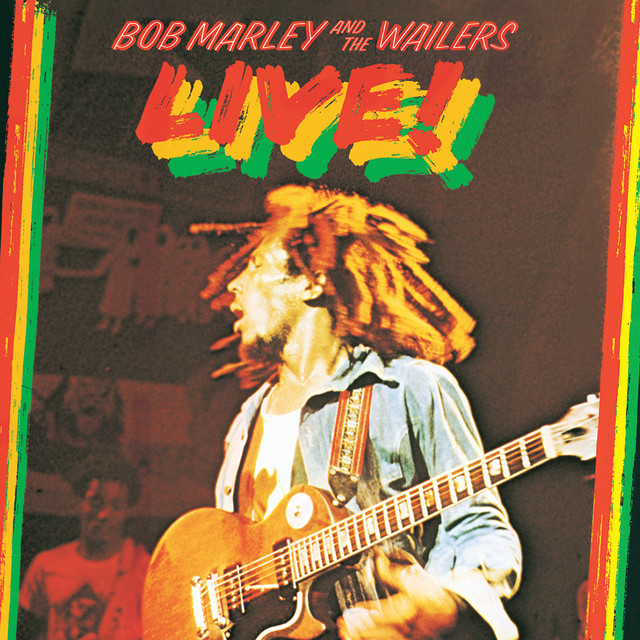
Bob Marley & The Wailers' performance of "No Woman, No Cry" at the Lyceum Theatre in London in July 1975 is a defining moment in reggae music history. Recorded for the live album Live!, this rendition is not just a performance; it’s a communal experience that elevates the song’s emotional depth. The Lyceum, packed with eager fans, becomes a crucible where the song’s themes of resilience and hope are magnified.
From Studio to Stage
Originally recorded in 1974 for the album Natty Dread, the studio version of "No Woman, No Cry" is reflective, almost intimate, with Marley's smooth vocals and a laid-back rhythm. However, the live version at the Lyceum injects a raw energy that transforms the listener's experience. The crowd’s involvement creates an atmosphere of shared grief and healing, turning the song into a powerful anthem.
Community and Connection
The essence of "No Woman, No Cry" lies in its narrative of remembrance and solidarity. Marley’s call to the audience, invoking memories of simpler times, resonates powerfully in a live setting. When he sings about the hardships faced in the ghetto, he isn’t merely recounting stories; he’s weaving the audience into the fabric of his memories. The lyric,
becomes a collective mantra, urging listeners to embrace their roots."In this great future, you can't forget your past,"
A Cultural Moment
At the Lyceum, Marley’s performance transcends just music; it's a cultural moment that speaks to the struggles of many, particularly in the face of socio-political upheaval. The 1970s were a tumultuous time for both Jamaica and the UK, with waves of immigration and the fight against systemic oppression. Marley's music became a voice for the marginalized, and this live performance solidified his role as a prophet of the people.
The Role of the Band
The Wailers complement Marley’s vocals with a rich, layered sound that is amplified in a live setting. The instrumental breaks, led by the signature guitar riffs and vibrant percussion, allow the audience to lose themselves in the groove. The seamless interplay between the band members enhances the song’s message of unity and resilience, making it a collective experience rather than a solo performance.
Emotional Climax
As the song progresses, Marley's voice rises, filled with a mix of nostalgia and hope. The live version captures an emotional climax that the studio version simply cannot match. The audience’s response—a palpable wave of singing and clapping—fuels the performance, creating a feedback loop of energy between the stage and the crowd. This moment crystallizes the power of live music: it transforms a personal story into a universal celebration.
Legacy of Live Performance
The Lyceum concert not only immortalized "No Woman, No Cry" but also redefined the expectations of live reggae music. It demonstrated how a song could evolve in the hands of its performer and its audience. Each performance thereafter carried the weight of this original moment, reminding us that live music is not just about the notes played but about the shared experience created.
Interesting fact: The Lyceum concert was one of the first major performances by Marley in the UK, helping to establish his international fame.
Conclusion
The live rendition of "No Woman, No Cry" at the Lyceum remains a pivotal example of how performance can shape and elevate a song’s meaning. Bob Marley’s ability to connect with his audience transformed a simple narrative into a rallying cry for resilience, hope, and community. This performance stands as a testament to the power of music to unite and inspire, transcending the boundaries of race and geography.