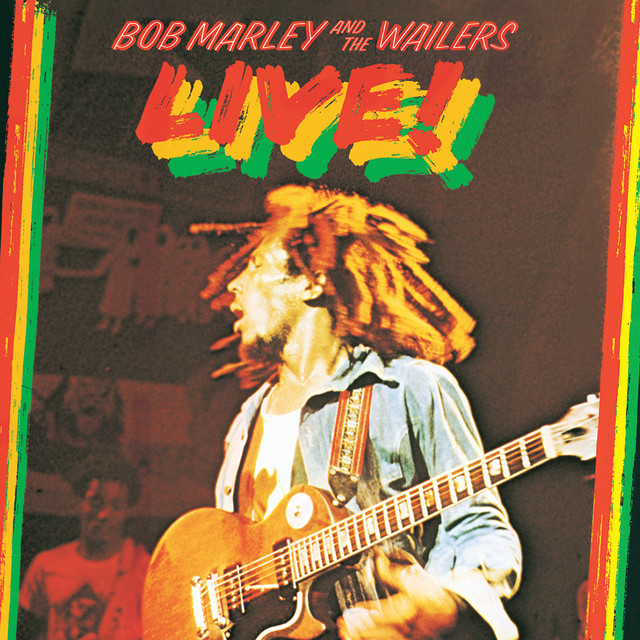
The Night at the Lyceum
On July 17, 1975, the Lyceum Theatre in London became the backdrop for a moment that would solidify Bob Marley and the Wailers' place in music history. It was here that Marley delivered a performance of 'No Woman, No Cry' that would go on to define not just a song, but the ethos of reggae music itself.
Previously recorded in 1974 for the 'Natty Dread' album, the song had already begun to carve out its identity. Yet, the Lyceum performance transformed it into an anthem for resilience and hope. The palpable energy of the audience mixed with Marley’s heartfelt delivery created a unique atmosphere that was both intimate and electric.
A Universal Message
'No Woman, No Cry' is not merely a nostalgic recounting of childhood memories in the Trench Town neighborhood; it is a universal message of perseverance. Marley’s ability to stitch together personal narrative with broader social themes is what makes the song timeless. The line
serves as a reminder that one’s roots are crucial, no matter how far one travels."In this great future, you can't forget your past"
This performance captured Marley at a pivotal moment in his career. He was transitioning from a Jamaican icon to a global superstar. The Lyceum concert, part of a tour that would cement his legacy, showcased his growing ability to connect with diverse audiences.
Production and Impact
Produced by Chris Blackwell, the 'Live!' album released later that year showcased a raw sound that differed from the polished studio versions of his earlier work. The live rendition of 'No Woman, No Cry' features extended instrumental sections and audience participation that emphasize the communal aspect of reggae music.
The Lyceum show was part of Marley’s first major UK tour, which significantly expanded his fanbase beyond Jamaica.
This performance also marked a significant moment for the Wailers, as they played alongside Marley in a way that highlighted their individual contributions to the sound. The interplay between the musicians created a rich sonic texture, making the live version of the song feel distinctly different from its studio counterpart.
A Lasting Legacy
As the song gained traction, it morphed into an anthem of sorts for various movements, from political protests to personal struggles. Its message of strength in the face of adversity resonates with listeners across generations. The Lyceum performance encapsulated this spirit, delivering a message that has been embraced by countless fans over the years.
Marley’s legacy rests not just on his ability to write catchy songs, but on his capacity to foster a sense of unity and hope. The Lyceum night was a testament to this, and 'No Woman, No Cry' stands as a beacon of that spirit. The line
has become a mantra for those seeking solace, underscoring the song's enduring relevance."Everything's gonna be alright"
Conclusion
The performance at the Lyceum was a turning point for Bob Marley, marking his ascent as a global figure in music and culture. 'No Woman, No Cry' transcends its origins, evolving into a song that offers comfort and strength. It’s not just about a woman not crying; it’s about collective resilience and hope, a message that continues to inspire fans around the world.