A Defiant Anthem
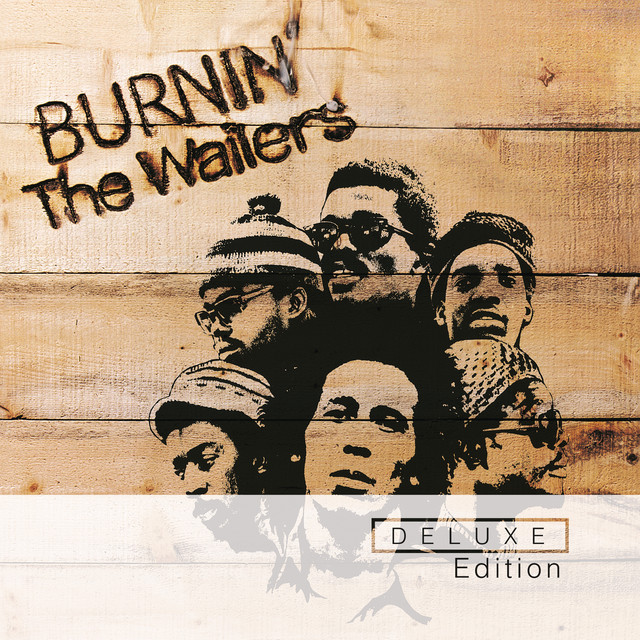
Bob Marley's "I Shot The Sheriff," released in 1973 on the album Burnin', serves as a pivotal moment in reggae music. The song's narrative of crime, justice, and defiance captured the essence of a tumultuous time in Jamaica and beyond. This wasn't just a track about rebellion; it was a bold statement that echoed the struggles of the oppressed.
A Political Undertone
The lyrics tell the story of a character who confesses to killing a sheriff, but insists, "But I didn’t shoot no deputy." This clever twist positions the protagonist as a victim of circumstance rather than a mere criminal. It reflects a broader commentary on systemic injustice, where authority figures may be more dangerous than the individuals they are supposed to protect.
"But I didn’t shoot no deputy"
In a world where the line between right and wrong is often blurred, Marley’s narrative forces the listener to question who the real enemy is. The sheriff symbolizes oppressive forces, making the song resonate with those fighting against colonial legacies and systemic oppression.
Breaking Barriers
Marley, along with the Wailers, was instrumental in bringing reggae to a global audience. "I Shot The Sheriff" was part of the Catch a Fire tour, which marked a pivotal moment in the international recognition of reggae music. The song transcended genres, influencing artists across the musical spectrum, including Eric Clapton, whose cover propelled it further into mainstream consciousness.
Interesting fact: Bob Marley and the Wailers recorded Burnin' just before the band members pursued solo careers, marking a transformative period in reggae history.
Musical Innovation
The production of "I Shot The Sheriff" also played a crucial role in its impact. Produced by Chris Blackwell, the track features a driving rhythm, layered guitar riffs, and an infectious groove that exemplifies reggae’s unique sound. This combination of catchy melodies and serious themes created a compelling contrast, inviting listeners to engage with its deeper messages while enjoying the music.
Cultural Legacy
Marley's work has often been viewed through the lens of his Rastafarian beliefs, which emphasized social justice and resistance against oppression. In this context, "I Shot The Sheriff" becomes more than just a song about crime; it transforms into an anthem for the marginalized. The song's enduring legacy is evident in how it continues to inspire activism and music alike.
"I shot the sheriff"
This line, repeated throughout the song, serves as a rallying cry. It’s not just about the act itself; it symbolizes a refusal to submit to oppressive systems. Marley’s ability to weave personal narrative with broader socio-political commentary set a precedent in reggae music, encouraging future generations of artists to tackle similar themes.
Revolutionary Influence
In examining the revolutionary impact of "I Shot The Sheriff," it’s clear that Marley’s work transcended mere entertainment. It challenged societal norms and inspired a sense of agency among listeners. The song remains a powerful reminder of the role music can play in social movements, illustrating how art and activism can intersect.
Ultimately, Bob Marley’s "I Shot The Sheriff" is more than a song; it’s a cultural milestone that reshaped how reggae is perceived and its potential as a vehicle for political discourse. Its influence will continue to echo through the corridors of music history, inspiring those who dare to challenge the status quo.