Origins of the Song
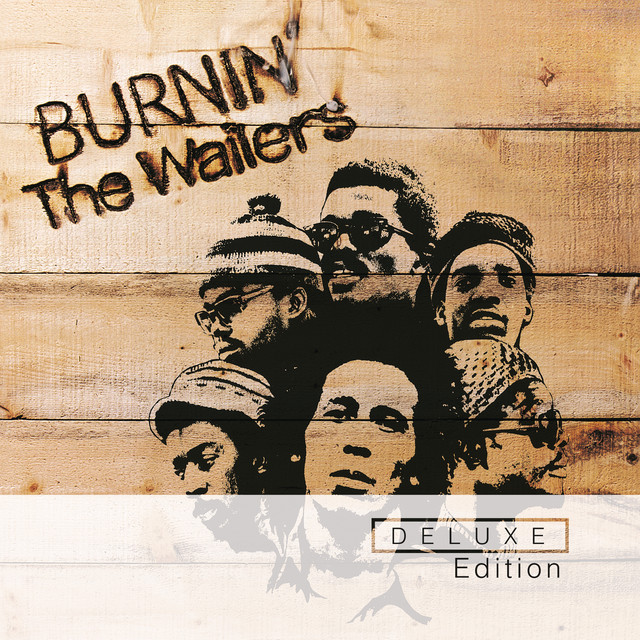
Bob Marley’s "I Shot The Sheriff" is often hailed as a reggae classic, but its roots dig deeper than the catchy chorus and infectious rhythm. Released in 1973 on the album Burnin', this track marks a significant moment in Marley's career, bringing both the Wailers and reggae music to a broader audience. The song's narrative, while gripping, is a blend of fiction and Marley's personal experiences, reflecting the turbulent social landscape of Jamaica during the early 1970s.
Real-Life Events
The song's story revolves around a character who confesses to shooting a sheriff, but insists he acted in self-defense. While Marley himself was not involved in any violent crime, the lyrics mirror the struggles faced by many in Jamaica, particularly the disenfranchised youth. The mention of the sheriff serves as a metaphor for the oppressive forces in society, echoing the sentiments of those who felt marginalized.
"I shot the sheriff, but I didn't shoot no deputy."
This line captures the essence of rebellion against authority. The sheriff symbolizes the law, often seen as corrupt and unjust, while the deputy represents the enforcers of that oppression. Marley's delivery is layered with both defiance and regret, hinting at a complex relationship with authority that many could relate to.
The Political Climate
Released during a period of political unrest in Jamaica, "I Shot The Sheriff" reflects the growing tensions in the country. The 1970s were marked by violence and political strife, with the rise of gang violence and political factions. Marley’s lyrics resonated with those who felt trapped in a cycle of oppression, making the song an anthem of sorts for those yearning for change.
The song gained further popularity when Eric Clapton covered it in 1974, bringing reggae to the mainstream and introducing Marley's work to a new audience.
Marley’s Perspective
Marley often spoke about the need for social justice, and this narrative can be seen as a commentary on the consequences of systemic oppression. The act of shooting the sheriff can be interpreted as an act of desperation, a cry for help from those who feel they have no other options. In this sense, Marley portrays a character caught in a dire situation, reflecting the real-life struggles faced by many.
Contrasting Narratives
Interestingly, the song also plays with the idea of guilt and innocence. The character admits to the act of shooting the sheriff but maintains that it was a justified response to a larger issue. This duality invites listeners to consider the complexities of morality in a world where right and wrong are often blurred.
"I shot the sheriff, but I didn't shoot no deputy."
This repeated assertion emphasizes the narrator's claim of self-defense, a crucial distinction in understanding the underlying message of the song. Marley’s portrayal of the character is not just one of a criminal, but of a person forced into a corner by circumstances, raising questions about justice and accountability.
Legacy and Impact
The cultural impact of "I Shot The Sheriff" extends far beyond its catchy melody. It paved the way for reggae music to enter the international scene, influencing countless artists across various genres. The song’s themes of resistance and social justice continue to resonate today, making it a timeless piece of art.
A Lasting Message
Marley’s ability to weave personal experience with broader societal issues is what makes "I Shot The Sheriff" a powerful anthem. It’s not just about the act of violence but rather the circumstances that lead to such desperate measures. As we reflect on Marley's legacy, this song serves as a reminder of the struggles faced by many and the importance of understanding the context behind the actions of individuals.