The Soundtrack of Revolution
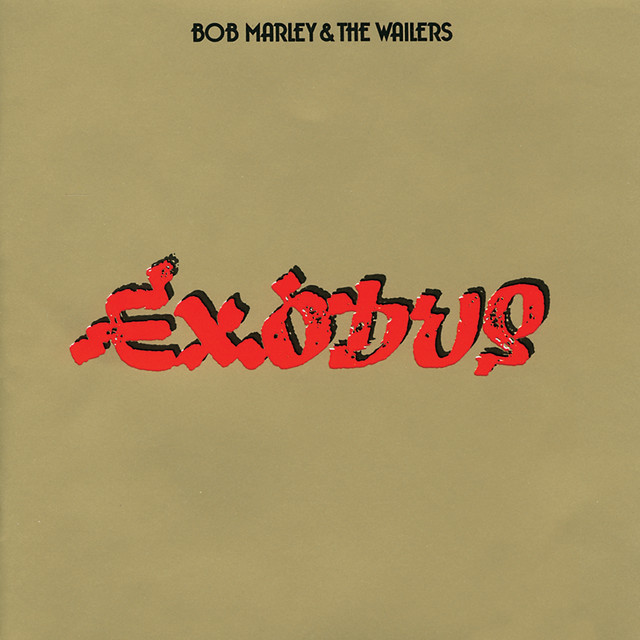
In 1977, Bob Marley & The Wailers released 'Exodus,' a defining album that captured the spirit of a tumultuous era. The backdrop was Jamaica, where political unrest and violence were at their peak. The album not only reflects Marley's mastery over reggae but also serves as a powerful commentary on the sociopolitical landscape of the time.
A Nation in Turmoil
The late 1970s in Jamaica were marked by conflict between the People's National Party (PNP) and the Jamaica Labour Party (JLP), leading to violence that spilled into the streets. This unrest heavily influenced Marley's work, especially as he found himself caught in the crossfire of political allegiances. The tension culminated in an assassination attempt on Marley in December 1976, forcing him into exile.
'Exodus' as a Political Statement
Released through Island Records, 'Exodus' is not merely an album; it's a rallying cry for freedom and resistance. The title track, “Exodus,” invites listeners on a journey, away from oppression and towards liberation. It’s a song that urges the masses to flee from suffering and seek a better life, encapsulating the urgency of the moment. Marley’s direct appeal is clear:
This line challenges individuals to reflect on their circumstances and fuels the desire for change."Open your eyes and look within. Are you satisfied with the life you're living?"
The Global Reach of 'Exodus'
Marley’s exile in London during the album's creation played a crucial role in its international appeal. While in England, he was able to reach a broader audience, blending reggae with rock and pop sensibilities. The song “Jamming” offered a sense of unity and celebration amidst chaos, an anthem that crossed cultural barriers. The infectious rhythm and uplifting lyrics made it a staple in protests and celebrations alike.
The Legacy of Political Engagement
What sets 'Exodus' apart from other reggae albums is its unflinching engagement with political issues. Marley was not just a musician; he was a voice for the disenfranchised. Songs like “One Love” and “Three Little Birds” followed the album and reinforced his message of hope and resilience. Yet, it is 'Exodus' that stands as a blueprint for how music can respond to societal crises.
Interesting fact: 'Exodus' was the first album released after Marley’s assassination attempt, marking a significant turning point in his career.
Conclusion: A Call to Action
Ultimately, 'Exodus' remains a fervent reminder of the power of music as a tool for change. Bob Marley’s ability to articulate the struggles of his time through infectious rhythms and profound lyrics is unmatched. As we listen to 'Exodus' today, we are reminded that the fight for justice and freedom is ongoing, and Marley's music continues to inspire new generations.