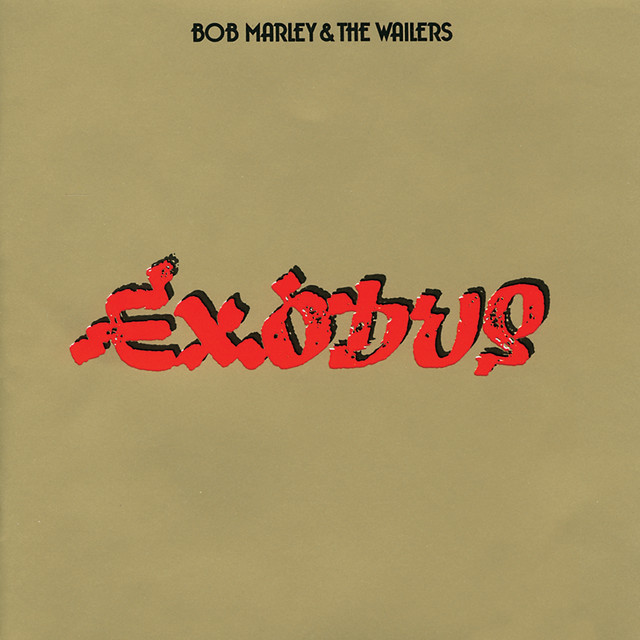
The Arrival of 'Exodus'
Bob Marley and the Wailers’ ninth studio album, 'Exodus', released in June 1977, marked a seismic shift in reggae music and its global perception. Produced by the legendary Chris Blackwell, the album not only encapsulated the essence of reggae but also served as a rallying cry for the Rastafarian movement. The title track, 'Exodus', serves as a profound reflection on themes of liberation, identity, and the African diaspora.
A Call to Freedom
'Exodus' emerged during a tumultuous period in Jamaica, a time when political strife and social unrest were rampant. This context is critical in understanding the song's powerful message. Marley’s lyrics speak to the need for escape and freedom, underscoring Rastafarian beliefs about returning to one’s roots and the importance of community. The famous lines,
invoke a deep sense of urgency and collective action, highlighting the Rastafarian commitment to social justice and emancipation."Movement of Jah people"
Rastafarian Ideals and Cultural Identity
The Rastafarian influence is palpable throughout 'Exodus', weaving together themes of spirituality and cultural identity. This is not merely a song about physical movement; it symbolizes a spiritual journey towards self-discovery and empowerment. The call for unity, encapsulated in the line
, reflects the Rastafarian emphasis on community and love as antidotes to oppression."Let's get together and feel all right"
The Global Impact
Marley’s 'Exodus' transcended borders, making the Rastafarian message accessible to a global audience. The album was released at a time when reggae was gaining traction outside Jamaica, and the themes of the songs resonated with various social movements worldwide. The track's infectious beat and revolutionary spirit became anthems for those fighting against colonialism, racism, and inequality.
Musical Elements and Spirituality
The musical composition of 'Exodus' further amplifies its Rastafarian roots. The blend of reggae rhythms with elements of rock and funk creates a sound that is both invigorating and spiritually uplifting. The song's driving bassline, paired with Marley's impassioned delivery, evokes a sense of transcendence that aligns perfectly with Rastafarian beliefs in Jah (God) and the importance of faith in overcoming adversity.
Legacy of 'Exodus'
More than just a song, 'Exodus' became a defining moment in Marley’s career and for reggae music as a whole. The themes of liberation and communal strength continue to resonate today, proving that Marley's message is not confined to a specific era but is timeless. The legacy of the Rastafarian influence can be seen in contemporary music and social movements, ensuring that the spirit of 'Exodus' lives on.
'Exodus' was named the best album of the year by Rolling Stone in 1978, solidifying its place in music history.