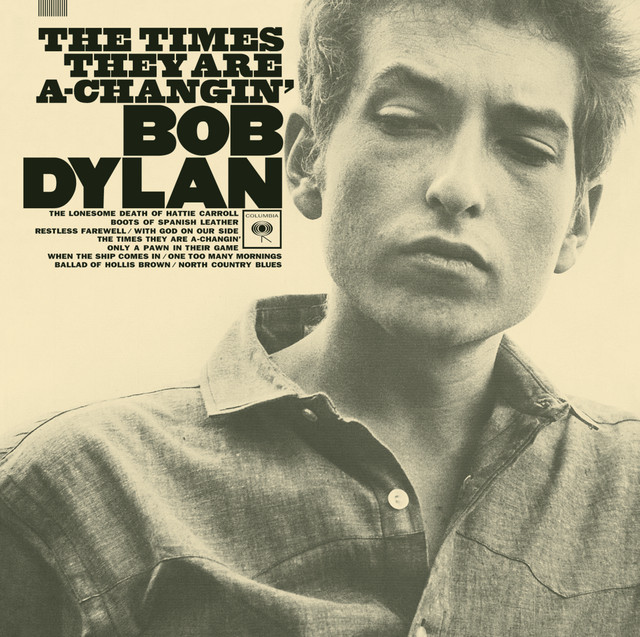
Introduction to a Cultural Shifter
Released on February 10, 1964, Bob Dylan's album The Times They Are A-Changin' marked a pivotal moment in music history. The title track is a clarion call for social change, encapsulating the spirit of the 1960s civil rights movement and beyond. Dylan's poignant lyrics not only reflect the tumult of his time but also lay the groundwork for generations of protest songs that followed.
A Mirror to the 1960s
Dylan wrote
as a direct challenge to the older generation, urging them to embrace change rather than resist it. This sentiment resonated deeply during the 1960s, a decade characterized by civil rights protests, anti-war demonstrations, and a growing counterculture."Your sons and your daughters are beyond your command"
The song’s impact was immediate and profound. It became an anthem for movements that demanded equality and justice, influencing artists like Joan Baez and Pete Seeger, who carried the torch of protest music into their own works.
The Ripple Effect: 1970s and Beyond
As the 1970s unfolded, Dylan's call for change echoed in the works of artists such as Marvin Gaye and Gil Scott-Heron. Gaye's What's Going On (1971) tackled similar themes of social unrest and the need for empathy, drawing inspiration from Dylan's framework. In a time rife with disillusionment, Scott-Heron's
echoed Dylan’s urgent plea for awareness and action."The revolution will not be televised"
By the 1980s, punk rock emerged as a raw, visceral response to societal issues, with bands like The Clash channeling Dylan's anti-establishment spirit. Their song London Calling captures a sense of urgency and rebellion, drawing a direct line back to Dylan's original sentiment about the shifting tides of society.
The 1990s and the Rise of Corporate Interests
In the 1990s, as corporate interests began to dominate the music industry, artists like Rage Against the Machine drew upon Dylan's ethos to critique the status quo. Their music, laden with political messages, served as a wake-up call, reminding listeners of the power of protest. Tracks like Killing in the Name can be seen as a modern extension of Dylan’s challenge to authority.
Modern Echoes: 21st Century Inspirations
Fast forward to the 21st century, and Dylan's influence persists in movements like Black Lives Matter and the climate strikes. Artists such as Hozier and Billie Eilish tap into the same spirit of activism that Dylan championed. Hozier’s Take Me to Church is a fierce critique of social injustices, while Eilish's All the Good Girls Go to Hell confronts environmental issues, echoing Dylan's call for urgent change.
A Timeless Call to Action
The core message of The Times They Are A-Changin' remains relevant, a reminder that music can be a powerful vehicle for social change. Dylan's ability to articulate the struggles and aspirations of a generation laid the groundwork for future artists to voice their concerns through song.
Dylan wrote The Times They Are A-Changin' during a time when social upheaval was at its peak, making it one of the most significant protest songs in American history.
Conclusion
Bob Dylan's The Times They Are A-Changin' is more than just a song; it's a legacy that continues to inspire. Its themes of change, resistance, and hope have shaped the fabric of protest music, proving that the power of song can ignite movements and bring about real social change.