The Voice of a Generation
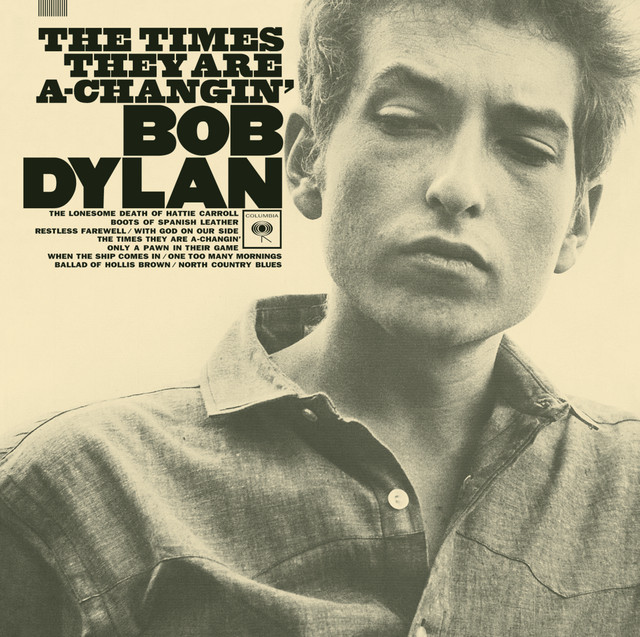
Bob Dylan's "The Times They Are A-Changin'" is more than just a song; it's a clarion call that emerged from the tumultuous backdrop of the 1960s. Released as the title track of his album on February 10, 1964, this folk anthem encapsulated the fervor of social change sweeping across America. As protests erupted for civil rights, anti-war sentiments grew, and the youth began to challenge the status quo, Dylan positioned himself as the voice of this new generation.
Contextual Backdrop
The early '60s were marked by widespread social movements, including the Civil Rights Movement and the burgeoning anti-Vietnam War protests. Dylan, who had already gained popularity with his earlier works, recognized the power of music as a tool for social change. "The Times They Are A-Changin'" crystallized the hopes and frustrations of a generation eager for progress and reform.
"For the loser now will be later to win."
This line succinctly captures the essence of the 1960s spirit. The song was not merely an observation but a promise — change was on the horizon, and those currently marginalized would eventually find their voice. Dylan's ability to articulate this sentiment not only resonated with his audience but also served as a rallying cry for activists.
Musical Elements of Protest
Musically, Dylan’s folk roots provided a raw and unadulterated sound that was accessible yet profound. Produced by Tom Wilson, the album combined traditional folk instrumentation with Dylan's distinct lyrical style, creating an atmosphere that was both inviting and urgent. The simple chord progression and rhythmic cadence of the title track allowed the lyrics to take center stage, emphasizing their message.
A Challenge to the Establishment
Dylan’s lyrics also directly challenged the complacency of the older generation. With lines like, "Your sons and your daughters are beyond your command," he confronted the establishment and called for recognition of the youth's growing influence. This was a direct affront to the conservative values that dominated the post-war era, and it invigorated a generation that felt misunderstood and stifled.
The album's impact was immediate, with "The Times They Are A-Changin'" becoming a staple at protests and rallies, cementing Dylan's role as a cultural icon.
The Legacy of Change
More than just an anthem of the '60s, Dylan's work has continued to inspire countless movements and artists. The song's universal themes of change and resistance have made it timeless. In a world that still grapples with social injustices, its message remains relevant.
"Come gather 'round people wherever you roam."
This opening line invites listeners to unite, a sentiment that finds new life in every generation facing upheaval. The call for solidarity is as crucial today as it was in 1964.
Conclusion: An Enduring Influence
Bob Dylan's "The Times They Are A-Changin'" stands as a testament to the power of music in shaping social movements. Its lyrics not only reflect the struggles of the '60s but also continue to inspire those fighting for justice today. Dylan's ability to channel the spirit of a generation into his work has secured his legacy as one of the most influential artists of all time.