The Birth of a Protest Song
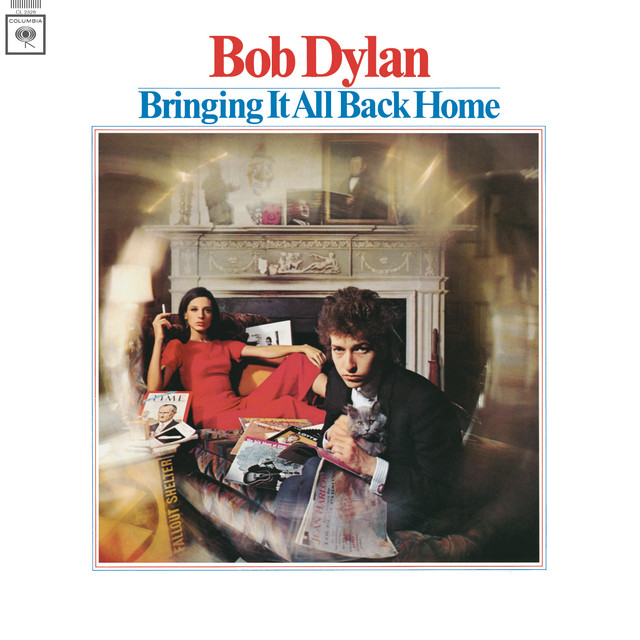
When Bob Dylan recorded "Maggie's Farm" on January 15, 1965, for his album Bringing It All Back Home, he transformed the folk genre with a sharp, electric edge. Released on March 22, 1965, the song quickly became a rallying cry for those disenchanted with societal norms. Dylan's lyrics, laden with frustration and rebellion, echoed the sentiments of a generation yearning for change.
A Working-Class Rebellion
The lyrics of "Maggie's Farm" are a clear rejection of oppressive structures, reflecting a desire for autonomy. Lines like
convey a powerful sentiment of resistance. This declaration is not just about labor; it symbolizes a broader rebellion against societal expectations, particularly relevant during the 1960s when the civil rights movement and anti-Vietnam War protests were gaining momentum."I ain't gonna work on Maggie's farm no more"
Context of the Sixties
The 1960s were a period defined by upheaval, with young people challenging the status quo. Dylan's work became intertwined with this cultural revolution. The song's themes of disillusionment resonated with activists and youth alike, making it an anthem for those who felt trapped by the demands of conformity. Dylan’s refusal to comply with Maggie’s demands metaphorically represents the struggle against authority.
Musical and Cultural Impact
Musically, "Maggie's Farm" marked a departure from Dylan's earlier folk roots, showcasing a more rock-oriented sound. This shift mirrored the evolving landscape of 1960s music, as artists increasingly embraced electric instrumentation to express their messages. Dylan's decision to go electric at the Newport Folk Festival in 1965 solidified his role as a pioneer of this movement, encouraging others to follow suit in using music for social commentary.
A Personal Statement
Beyond its political undertones, "Maggie's Farm" carries an autobiographical weight. Dylan himself struggled with the pressures of fame and the music industry. The line
encapsulates his frustration not only with external expectations but also with his own career. This duality makes the song relatable on multiple levels, allowing listeners to see their own struggles reflected in his words."You know I got a job, but it don't pay"
Legacy of Resistance
Decades later, the political resonance of "Maggie's Farm" remains palpable. It has been covered by various artists, each adding their own interpretation while maintaining its core message of resistance against oppressive systems. As social movements continue to evolve, the song serves as a reminder of the power of music in activism.
Conclusion: An Enduring Anthem
Bob Dylan’s "Maggie's Farm" is more than just a song; it’s a declaration of independence and an enduring symbol of resistance. Its impact during the 1960s set a precedent for future generations of musicians striving to challenge the injustices of their time. As long as societal struggles persist, Dylan's lyrics will continue to inspire those who refuse to be bound by the constraints of Maggie’s farm.
Bob Dylan recorded "Maggie's Farm" just weeks before his historic electric performance at the Newport Folk Festival, marking a pivotal moment in music history.