From Protest to Performance Art
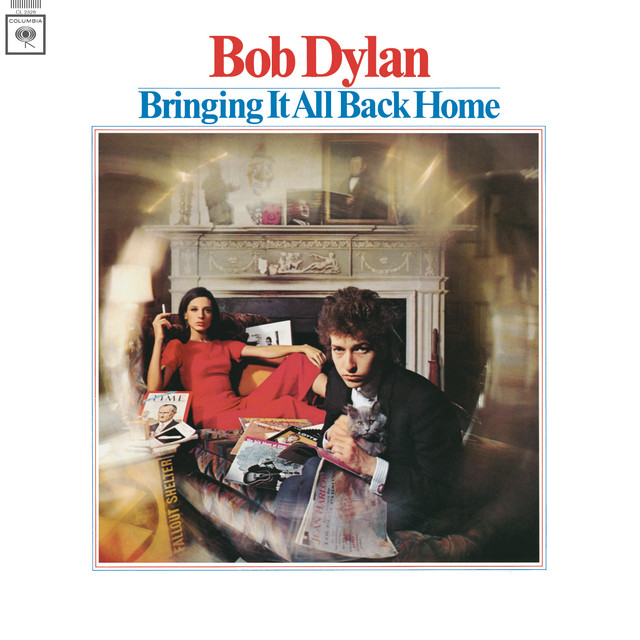
'Maggie's Farm' debuted on Bob Dylan's seminal 1965 album Bringing It All Back Home, a record that marked his transition from folk icon to electric rock pioneer. The song, steeped in themes of rebellion, quickly became a staple in Dylan's live repertoire, evolving significantly from its original form.
Initially, Dylan’s live performances of 'Maggie's Farm' echoed the urgency of the 1960s protest movement. The driving rhythm and biting lyrics like
resonated with an audience eager for change. The song wasn't just a personal statement; it was a rallying cry for a generation disillusioned with societal norms."I ain't gonna work on Maggie's farm no more"
A Shift in Sound and Meaning
As the years progressed, Dylan's interpretation of 'Maggie's Farm' morphed. By the late '70s, during the Rolling Thunder Revue, Dylan began to infuse the song with an almost theatrical flair. The arrangement shifted to accommodate a more expansive sound, featuring a full band that transformed the song into a vibrant, almost chaotic celebration of freedom.
This new approach can be seen in Dylan's 1976 performance at the Isle of Wight Festival, where he delivered a version that was both electrifying and unpredictable. The lyrics, delivered with a wry smile, took on a new life, suggesting that escaping the grind was not just a necessity but a form of self-empowerment.
The 1980s: A Darker Tone
By the 1980s, the tone of 'Maggie's Farm' in Dylan's performances took on a more somber quality. The cultural landscape had changed, and so had Dylan's perspective. In concerts during this period, the song often featured slower tempos and a more reflective mood, as if the singer was contemplating not just the rebellion but the consequences of leaving it all behind.
Interesting fact: Dylan famously performed 'Maggie's Farm' at the 1965 Newport Folk Festival, marking his controversial shift to electric music.
A Return to the Roots
In the 1990s and beyond, Dylan seemed to return to his folk roots with 'Maggie's Farm.' The song became stripped down, often performed with minimal accompaniment. This back-to-basics approach highlighted the lyrics’ raw emotional power, making each performance feel like an intimate conversation between the artist and the audience.
At times, Dylan altered the lyrics to fit contemporary issues, showing that the themes of disillusionment and escape were still relevant. The line
was a reminder that the struggle against conformity remains a timeless battle."You can't take it with you, no matter how hard you try"
The Modern Age: Freedom and Reflection
In recent years, Dylan’s performances of 'Maggie's Farm' have become less about the rebellion and more about personal freedom. The song has transformed into a meditation on choice and consequence, reflecting Dylan's own journey through the complexities of fame and artistry.
His 2021 rendition during the Rough and Rowdy Ways tour was a masterclass in subtlety. By weaving in elements of jazz and blues, Dylan showcased how far he has come, turning a simple protest song into an intricate narrative about life's choices.
Conclusion: A Living Document
'Maggie's Farm' is no longer just a song about rejecting authority; it has evolved into a living document of Dylan's artistic journey. Each performance carries the weight of history while simultaneously pushing forward into new territories. As Dylan continues to tour, one can only anticipate how he will reinterpret this classic in future shows, always reminding us that the struggle for personal autonomy is an enduring theme.