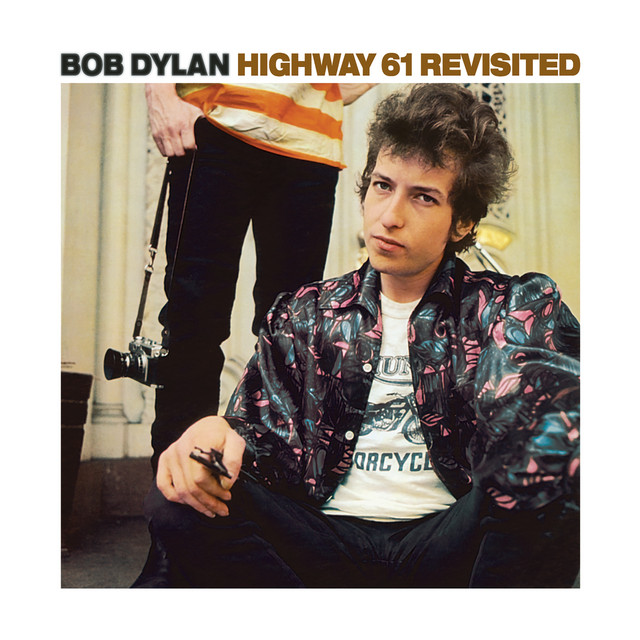
The Literary Echoes of Dylan's Masterpiece
When Bob Dylan released "Like a Rolling Stone" on July 20, 1965, the world was introduced to a sound that would redefine popular music. With its confrontational lyrics and innovative structure, the song stands as a monumental achievement in the folk-rock genre. Yet, beneath its surface lies a rich tapestry of European literary influences that have often gone unnoticed.
The Influence of Existentialism
The lyrics of "Like a Rolling Stone" echo the themes of existentialism that permeated much of 20th-century European literature. Dylan's portrayal of a fallen socialite, someone who once held the world at her feet and now finds herself lost, reflects the disenchantment found in the works of writers like Albert Camus and Jean-Paul Sartre. The line,
captures this existential crisis, illustrating a character who has lost her sense of identity and purpose."You used to be so amused / At Napoleon in rags and the language that he used"
Symbolism from the Classics
Beyond existentialism, Dylan's lyrics also draw on classical literature. The sense of dislocation and alienation in "Like a Rolling Stone" can be traced back to the works of Dostoevsky. The character in the song embodies the struggle against societal expectations, similar to Dostoevsky's protagonists who grapple with their own moral dilemmas. The line
suggests a brutal exposure, reminiscent of the psychological torment found in Dostoevsky's narratives."You're invisible now / You got no secrets to conceal"
Modernist Influence
Modernist literature also plays a crucial role in shaping Dylan's lyrical landscape. Writers like T.S. Eliot and James Joyce explored the fragmentation of identity and the chaotic nature of life. Dylan's stream-of-consciousness style in the song mirrors this approach, moving through vivid imagery and unsettling realizations. The song's structure itself—shifting perspectives and emotional peaks—reflects the modernist experimentation with form.
"Like a Rolling Stone" is often regarded as one of the greatest songs of all time, showcasing not only Dylan's musical genius but also his literary prowess.
Confrontation and Catharsis
At its core, "Like a Rolling Stone" is a confrontation—a challenge to societal norms and personal complacency. The very act of placing the listener in the shoes of someone who has fallen from grace is a literary device that invokes sympathy and reflection. Dylan's ability to weave these themes into a popular song is what sets him apart from his contemporaries.
Legacy of Literary Influence
The impact of European literature on Dylan's work extends far beyond this one song. His entire catalog is infused with literary references and influences, but "Like a Rolling Stone" encapsulates the essence of this cross-pollination. By blending folk traditions with the weight of literary history, Dylan created a piece that challenges the listener to confront their own realities.
A Lasting Impact
The song's release marked a turning point in music, but its literary underpinnings have often been overshadowed by its revolutionary sound. In dissecting the lyrical content, we uncover a rich dialogue with European literature, inviting listeners to engage not just with the music but with the existential questions it raises. Dylan's work, particularly in this song, stands as a testament to the power of literature to inform and elevate art.