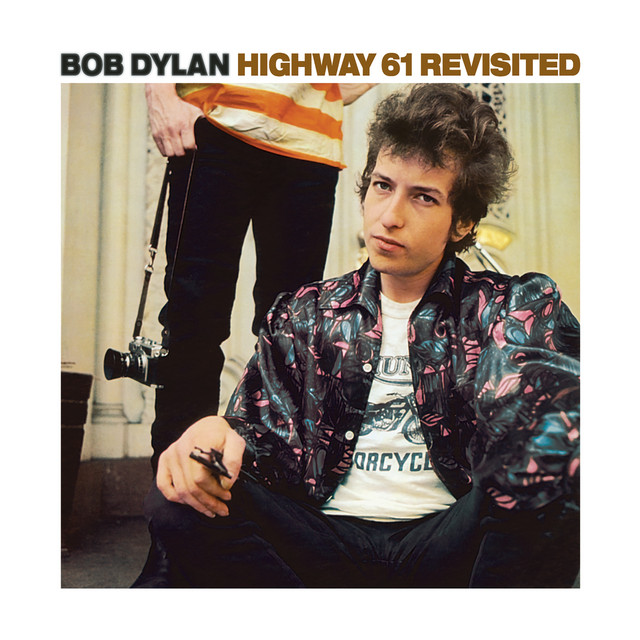
The Birth of a Cultural Anthem
Released on July 20, 1965, Bob Dylan's "Like a Rolling Stone" signaled a seismic shift in both music and societal attitudes. With its raw, confrontational lyrics and a sound that blended folk and rock, this track became a rallying cry for the burgeoning counterculture movement of the 1960s.
A Challenge to Conventional Values
Dylan’s lyrics dive headfirst into themes of alienation and disillusionment. Lines like
encapsulate the existential crisis many young people faced in an era marked by upheaval. The questioning of identity and purpose perfectly mirrored the sentiments of a generation that was increasingly skeptical of the status quo."How does it feel? To be on your own, with no direction home?"
Musical Innovation
The song's production, helmed by Tom Wilson, fused electric instruments with traditional folk sounds, setting a new precedent for what popular music could achieve. This blending of genres was emblematic of the 1960s, a period that encouraged experimentation and rejected the rigid confines of earlier musical styles.
Impact on the Counterculture Movement
"Like a Rolling Stone" quickly became more than just a song; it was an anthem for those who felt marginalized. As young people began to question authority, consumerism, and the Vietnam War, Dylan’s lyrics provided a voice for their frustrations. The refrain echoed through protests and gatherings, solidifying its place in the cultural zeitgeist.
A Voice for the Voiceless
In the context of civil rights and anti-war movements, Dylan’s work resonated with activists who sought social change. The lyric
reflects a broader narrative about power dynamics, identity, and the folly of societal norms, making it relatable to those fighting against oppression."You used to be so amused, at Napoleon in rags and the language that he used"
The Shift in Popular Music
Before Dylan, popular music was often focused on love and romance. "Like a Rolling Stone" shattered this mold, introducing a more complex emotional and political landscape. Its influence can be traced through countless artists who followed, paving the way for socially conscious music.
Legacy and Continued Relevance
Decades later, the song remains relevant. Its themes of dislocation and revolution echo through today’s social movements, as new generations find inspiration in Dylan's fearless questioning of authority. The song’s ability to transcend time speaks to its power and the universality of its message.
Interesting fact: "Like a Rolling Stone" was one of the first songs to receive significant airplay on FM radio, helping to redefine radio formats.
The Enduring Impact
Ultimately, "Like a Rolling Stone" did more than just change music; it challenged listeners to reflect on their own lives and the world around them. Its legacy as an anthem of the 1960s counterculture movement is undeniable, marking a pivotal moment in the evolution of both music and societal norms.