Unraveling the Emotional Weight
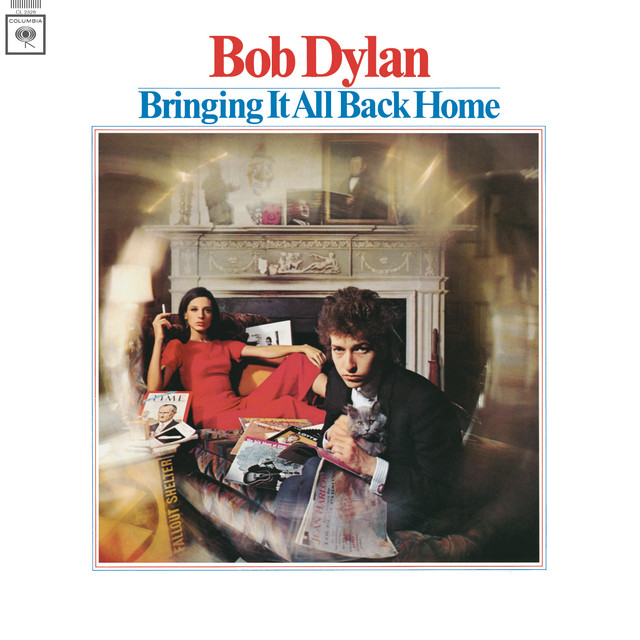
Bob Dylan’s "It's All Over Now, Baby Blue" from the 1965 album Bringing It All Back Home presents a haunting farewell that resonates through its titular phrase. The simplicity of 'Baby Blue' belies a depth of emotion that captures the finality of a relationship, echoing the complexities of departure and loss.
Written during a transformative period in Dylan's career, the song showcases his evolution from folk troubadour to a more electric sound. The phrase 'Baby Blue' serves as both a personal address and a universal symbol of nostalgia and heartbreak. Dylan's choice of words evokes a sense of intimacy, making the listener feel the weight of goodbye.
Contextual Significance
The backdrop of the 1960s, a decade marked by social upheaval and change, amplifies the song's message. Dylan, who had just transitioned into a more experimental sound, reflected the shifting tides not only in music but in society. The phrase 'Baby Blue' becomes a metaphor for innocence lost, a nod to the fading ideals of youth.
"You must leave now, take what you need, you think will last."
This line underscores the urgency of departure, suggesting that the time for reflection has passed. The listener is left to grapple with the remnants of what was once cherished.
A Personal Yet Collective Farewell
The song's allure is its ability to feel both personal and collective. 'Baby Blue' evokes memories of lost love, dreams unfulfilled, and the bittersweet nature of moving on. It’s not just a farewell to a lover; it’s a farewell to an era, underscoring the inevitability of change. As the song unfolds, it becomes clear that this isn't merely about one relationship but a broader commentary on the ephemeral nature of life.
"Leave your stepping stones behind, something calls for you."
This line captures the essence of transition. It encourages the listener to move forward, even when weighed down by the past. The haunting nature of 'Baby Blue' is amplified by its duality — a call to action wrapped in melancholy.
Legacy and Influence
Over the years, 'It's All Over Now, Baby Blue' has inspired countless artists and was covered by the likes of The Grateful Dead and Joan Baez, further solidifying its place in the musical canon. The phrase 'Baby Blue' has transcended the song itself, becoming a cultural touchstone that evokes feelings of longing and reminiscence.
Interestingly, this song was recorded during a pivotal moment in Dylan's career when he was transitioning from folk to rock music, influencing a generation of artists.
In a world that often rushes past emotions, Dylan’s 'Baby Blue' invites us to pause and reflect. It challenges the listener to confront their own 'baby blues' — moments of loss, nostalgia, and the bittersweet nature of moving on. The haunting significance of the phrase lies not just in its context but in its ability to resonate with anyone who has ever had to say goodbye.