The Soundtrack of Change
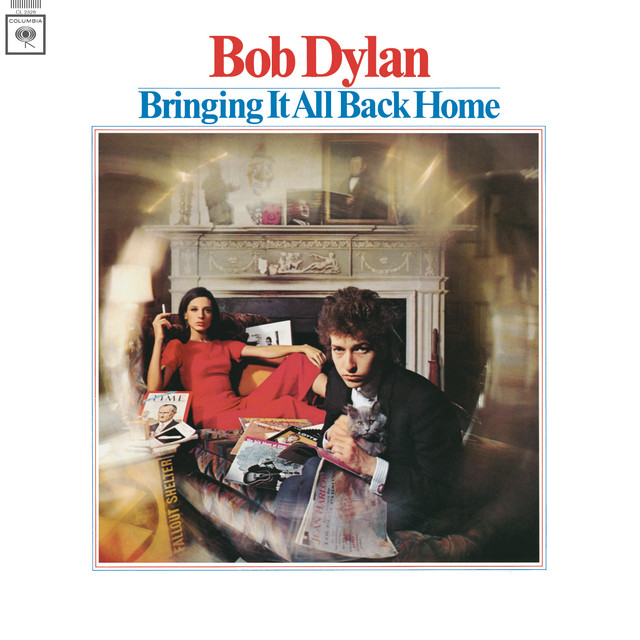
When Bob Dylan released "It's All Over Now, Baby Blue" on his 1965 album Bringing It All Back Home, he crafted not just a song, but a cultural touchstone for the tumultuous 1960s. This track, steeped in poetic imagery, became synonymous with the era's counterculture, a declaration of independence that resonated with a generation seeking to break free from convention.
A Shift in Tone
Dylan's transition from folk to electric rock on Bringing It All Back Home marked a pivotal moment in his career and the music scene. The song's opening line, "You must leave now, take what you need, you think will last," serves as a clarion call for those ready to abandon the past. The urgency in his voice captures the restlessness of youth, perfectly aligning with the growing discontent of the time.
"You must leave now, take what you need, you think will last"
Emotional Resonance
The emotional weight of the song lies in its sense of farewell — not just to a person, but to an entire way of life. The phrase "it's all over now, baby blue" evokes a bittersweet liberation, a recognition that moving forward often requires leaving something precious behind. This sentiment echoed through the hearts of young people in the 1960s, many of whom were grappling with the social upheaval of the Vietnam War and the civil rights movement.
A Voice for the Disillusioned
The counterculture was not merely about peace and love; it was also about disillusionment with authority and the status quo. Dylan's lyrics tapped into this feeling, offering a voice to those who felt marginalized. Lines like "the loser now will be later to win" reflect the hope that those challenging societal norms would eventually prevail, a message that invigorated activists and dreamers alike.
Bob Dylan was only 23 years old when he wrote this iconic anthem, showcasing his remarkable maturity and insight.
Legacy and Influence
As the 1960s progressed, "It's All Over Now, Baby Blue" found itself covered by numerous artists, reinforcing its status as an anthem of the era. Its themes of change and loss became universal, transcending the boundaries of music to influence literature, art, and political movements. The song's haunting melody and powerful lyrics provide a soundtrack for moments of revolution, both personal and societal.
Conclusion
Bob Dylan's "It's All Over Now, Baby Blue" stands as a testament to the power of music in shaping cultural movements. As a counterculture anthem, it speaks to the heart of a generation ready to forge its own path, encapsulating the struggles and aspirations of those who dared to dream of a better world.