The Power of Questions in Folk Music
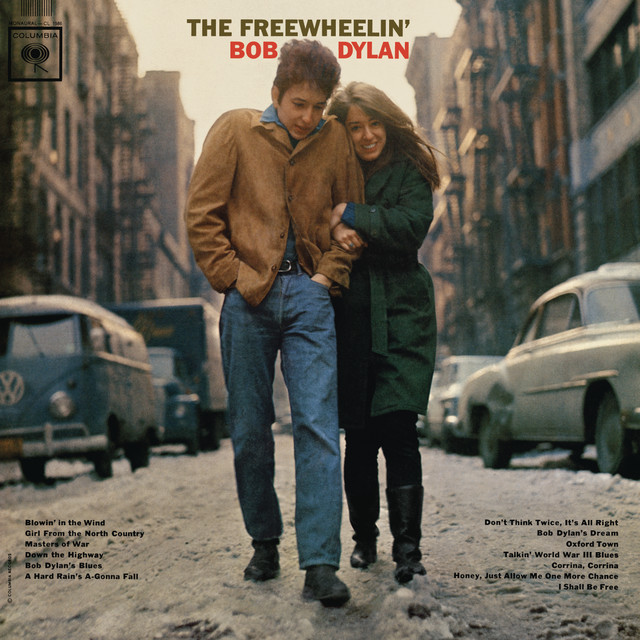
Bob Dylan's "Blowin' in the Wind," released in 1963 on the album The Freewheelin' Bob Dylan, stands as a cornerstone of American folk music. Its enduring impact lies not just in its melodies but in the very essence of unanswered questions that permeate its lyrics. Dylan's inquiries—who, what, when, where—echo through time, challenging listeners to confront social injustices and personal dilemmas.
Questioning the Status Quo
The song opens with a series of profound yet simple questions that touch on war, peace, and freedom. The line,
serves as both a challenge and an invitation. Dylan's refusal to provide answers forces listeners to sit with their own discomfort. This technique not only reflects the uncertainties of the 1960s but also transforms the listener into an active participant in the dialogue."How many roads must a man walk down before you call him a man?"
Impact on the Genre
Folk music, by its nature, has always been a vehicle for social commentary. Dylan's approach in "Blowin' in the Wind" reinvigorated the genre, pushing it toward a more introspective and thought-provoking direction. The unanswered questions became a hallmark of the folk revival, encouraging artists like Joan Baez and Peter, Paul and Mary to tackle complex themes in their own work.
A Framework for Protest
The unanswered nature of Dylan's questions also laid the groundwork for protest music. By refusing to provide clear answers, he empowered the audience to seek their own truths. This was especially significant during the Civil Rights Movement, where the song became an anthem, sung in marches and rallies. The line,
encapsulates the yearning for peace and justice, while leaving the resolution open-ended."Yes, 'n' how many times must a white dove sail before she sleeps in the sand?"
The Influence on Future Generations
Decades later, the structure of unanswered questions in "Blowin' in the Wind" continues to influence songwriters across genres. Contemporary artists like Hozier and Billie Eilish have adopted this technique, using ambiguity to create emotional resonance. The effectiveness of such unresolved inquiries is evident in Eilish's When We All Fall Asleep, Where Do We Go?, where she poses questions that linger long after the music stops.
Conclusion: The Questions Remain
Ultimately, the legacy of "Blowin' in the Wind" is found in its ability to provoke thought and inspire action. The unanswered questions are not merely rhetorical; they are challenges that invite each listener to grapple with their own beliefs and values. Dylan's masterful use of ambiguity remains a powerful tool in the realm of folk music, reminding us that sometimes the journey toward understanding is just as important as the answers themselves.
Interesting fact: "Blowin' in the Wind" was not only a hit for Dylan but also became a staple for civil rights activists, symbolizing the fight for justice and equality.