The Soundtrack of Change
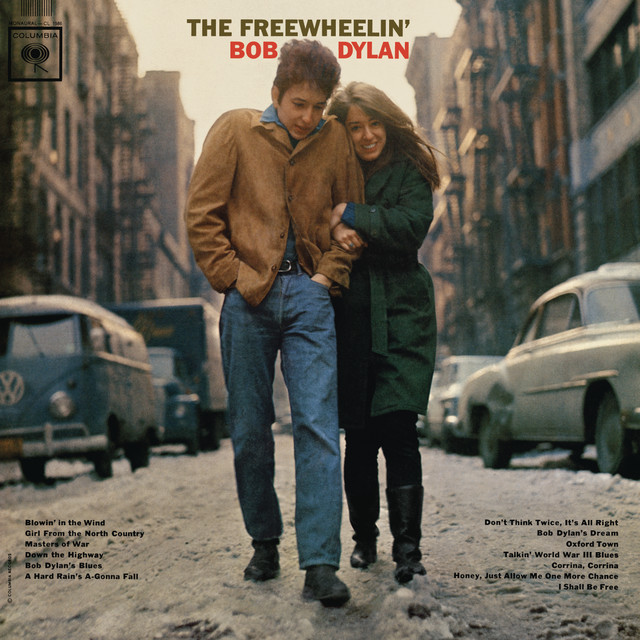
Bob Dylan's "Blowin' in the Wind," penned in 1962 and featured on his 1963 album, The Freewheelin' Bob Dylan, quickly became more than just a folk song. It transformed into an anthem for the Civil Rights Movement, capturing the existential questions and fervent desires for justice. The song's simple yet profound lyrics resonated with activists and everyday people alike, echoing their struggles and hopes.
A Call for Justice
Dylan's lyrics pose unanswerable questions, such as,
This line, among others, articulates a deep yearning for equality, directly appealing to the experiences of African Americans fighting systemic racism. The rhetorical style invites listeners to reflect on their own moral compasses and the society around them."How many roads must a man walk down before you call him a man?"
From Coffeehouses to Marches
The song first gained traction in folk music circles, performed in coffeehouses where audiences were primed for social change. However, its real power emerged when civil rights leaders began to utilize it during marches and rallies. The lyrics became a rallying cry, a mantra for those seeking justice and equality.
Interesting fact: "Blowin' in the Wind" was famously sung by Peter, Paul and Mary, further popularizing it in the 1960s and cementing its place in the protest movement.
The Sound of Solidarity
In 1963, during the March on Washington, the song was performed by various artists, including Joan Baez, amplifying its significance. The message of freedom and justice resonated through the crowd, uniting thousands in a shared pursuit of a better future. Dylan’s ability to encapsulate the essence of the struggle in a few lines made the song not just a piece of art but a tool for activism.
A Legacy of Influence
As the Civil Rights Movement progressed, "Blowin' in the Wind" adapted alongside it. The song's enduring quality allowed it to be reinterpreted through various lenses, from anti-war demonstrations to women's rights movements. Dylan's work provided a soundtrack that transcended time, reflecting the ongoing fight for equality.
Conclusion: The Wind Remains
Today, "Blowin' in the Wind" still holds a powerful place in discussions about social justice. Its legacy reminds us that the questions Dylan posed in the early '60s remain relevant, challenging us to reflect on our own roles in the fight for justice. The answers may be elusive, but as Dylan pointed out, they are indeed
"blowin' in the wind."