The Dark Romance of Mortality
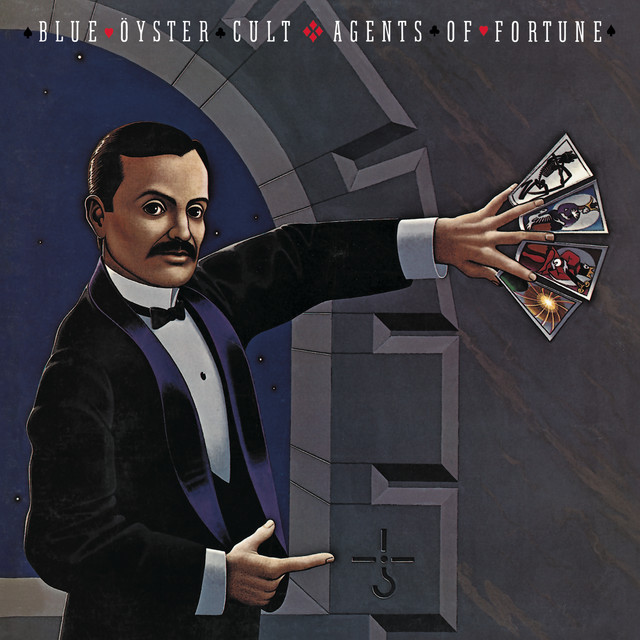
Blue Öyster Cult's "(Don't Fear) The Reaper" is not just a rock classic; it’s a haunting meditation on love, death, and the inevitability of mortality. Released in 1976 as part of their album Agents of Fortune, the song stands apart from the typical glam and arena rock of the era. Its chilling melodies and philosophical lyrics come from a surprisingly tender place — a contemplation of love that transcends death.
Inspired by the Greats
The song's lead guitarist and primary songwriter, Donald “Buck Dharma” Roeser, drew inspiration from literature, particularly Shakespeare and the works of H.P. Lovecraft. The line “All our times have come” echoes the somber acceptance found in Shakespeare’s tragedies, while the song’s exploration of death channels the cosmic horror often associated with Lovecraft's narratives. This fusion of literary influences creates a unique atmosphere, setting the stage for a rock ballad that invites reflection rather than fear.
"...the last of the night, the last of the fight..."
A Love That Defies Time
One of the most striking aspects of the song is its portrayal of love as an eternal force. Roeser has mentioned in interviews that the song was also inspired by the idea that love persists even in the face of death. Lines like “Come on, baby, don't fear the reaper” suggest a comforting embrace of mortality, urging listeners to view death not as an end, but as a continuation of love. This perspective was not typical for rock music of the time, where themes often revolved around rebellion or hedonism.
The iconic cowbell in the song is a testament to the band’s experimentation with sound, which has become a pop culture staple, famously referenced in a Saturday Night Live sketch.
Production and Legacy
Produced by the legendary Sandy Pearlman, "(Don't Fear) The Reaper" successfully harnesses an eerie yet melodic sound that was groundbreaking for its time. The use of soft vocal harmonies alongside a haunting guitar riff creates a palpable tension, inviting listeners to confront their fears rather than shy away from them. This blend of rock with a philosophical undertone has influenced countless artists across genres, cementing its place in music history.
A Cultural Phenomenon
The song's cultural impact cannot be overstated. With its distinctive sound and thought-provoking lyrics, it has been featured in numerous films, television shows, and even horror-themed events. Its association with the notion of eternal love has made it a staple at weddings, while its darker themes resonate with those grappling with loss. In a way, it has become a musical embrace for those navigating the complexities of love and life.
"...and I’ll be there, I’ll be there..."
A Timeless Message
Ultimately, "(Don't Fear) The Reaper" transcends its rock roots to deliver a universal message: love is a force that endures beyond the confines of life. This message is perhaps what has allowed it to remain relevant through generations. Blue Öyster Cult’s ability to marry the macabre with the romantic is not merely a feat of songwriting; it’s an exploration of the human condition that continues to resonate with audiences today.